On May 30th, during the Shangri-La Dialogue, U.S. Defense Secretary Hagel once again pressured its allies regarding defense spending. He also directly criticized New Zealand for freeloading from other countries.
New Zealands Finance Minister Nicola Willis responded by saying that New Zealand does not have sufficient financial resources to increase defense spending to the level desired by the United States. We dont have billions of dollars hidden under our sofas.
According to reports from Bloomberg and the New Zealand Herald, Haggis stated on the 30th that the United States and its allies are shifting from a dependent model to a true partnership model.
The era of American subsidies to wealthy nations defense budgets is over, said Haggis. The United States hopes its allies will increase their defense spending to 3.5% of their GDP. He also said that the United States has already surpassed this figure.
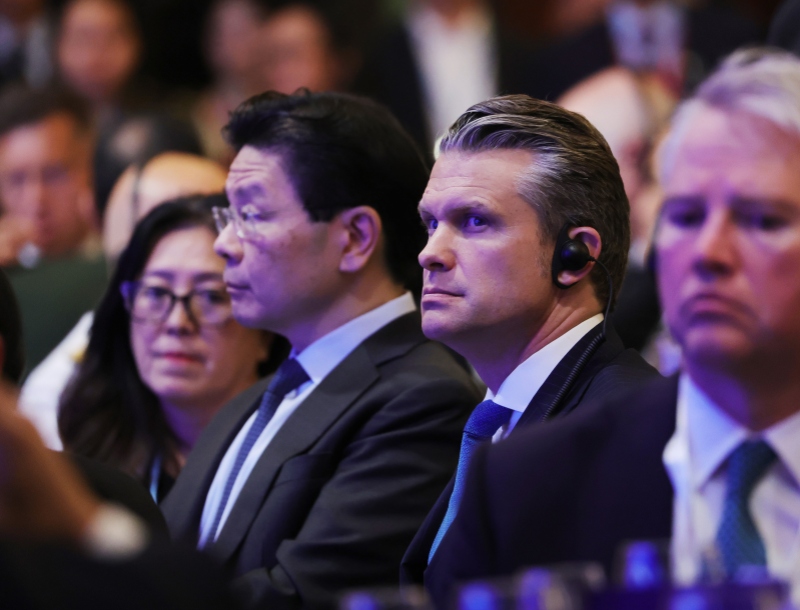
On May 29, 2026, local time, in Singapore, the 23rd Shangri-La Dialogue was held. U.S. Secretary of Defense Hagel attended the event. IC Photo
For those countries that are able to embrace this challenge and take responsibility as true partners, the benefits are obvious, said Haggess. But for those who think they can continue to take advantage of the generosity of American taxpayers, listen carefully: such days are over.
New Zealand has recently announced a plan to increase defense spending from 1% of GDP to slightly over 2% within eight years. This plan is far from meeting the requirements set by the United States.
According to the New Zealand Herald, Haggis did not mention New Zealand by name during his speech. However, during the Q&A session, New Zealand journalist Anna Fifield asked Haggis whether New Zealand was considered to be a country that gets everything for free.
Hagesser responded that 2% of GDP is not enough. 2% is like getting free food.
He said that allies should not simply say, Oh, were old friends, so lets work together. Instead, it should be said, Its because were old friends that you should maintain an equal level of visible commitment to us.
If we cant do this, then our alliance has no meaning at all, said Haggess. He also added that he had no preconceived notions about New Zealand and was looking forward to working with New Zealands defense minister to improve capabilities.
Its worth mentioning that Chris Penk, the New Zealand Defense Minister, was sitting below the stage at that time.
On May 31, Willis bluntly stated in response to Haggess remarks that increasing defense spending to 3.5% of GDP would be extremely challenging for New Zealand. We dont have billions of dollars hidden under our sofas, said Willis.

NEW ZEALAND FINANCIAL MINISTER NIGULA WILLIS: The New Zealand Herald
Bloomberg reported that, as part of efforts to increase the defense budget, Willis included additional funding for defense in the 2026 budget proposal submitted on May 28. On the other hand, due to economic weakness that limits government revenues, New Zealand is expected to face a significant budget deficit.
Willis said that New Zealands significant investment in defense is because it aligns with our national interests, not because the United States demands us to do so.
Compared to Willis, Pengs response was more tactful. In an interview with New Zealand media, Peng said he wasnt surprised by Haggesss remarks.
The United States is willing and capable to continue participating in the affairs of our region. This is a good thing. But they will also express their expectations, namely that other countries should also remain fully involved, including in terms of resource allocation. said Peng Ke.
He specifically pointed out that New Zealand has made significant contributions by participating in the Five Eyes intelligence network, and it has also gained tremendous value as a result.
Being valued by others is valuable for us. In the G5 Alliance network, we are respected and credible members. Therefore, the United States has always told us that this is important to them. But since this also benefits us, we will continue to participate in this process, said Peng Ke.