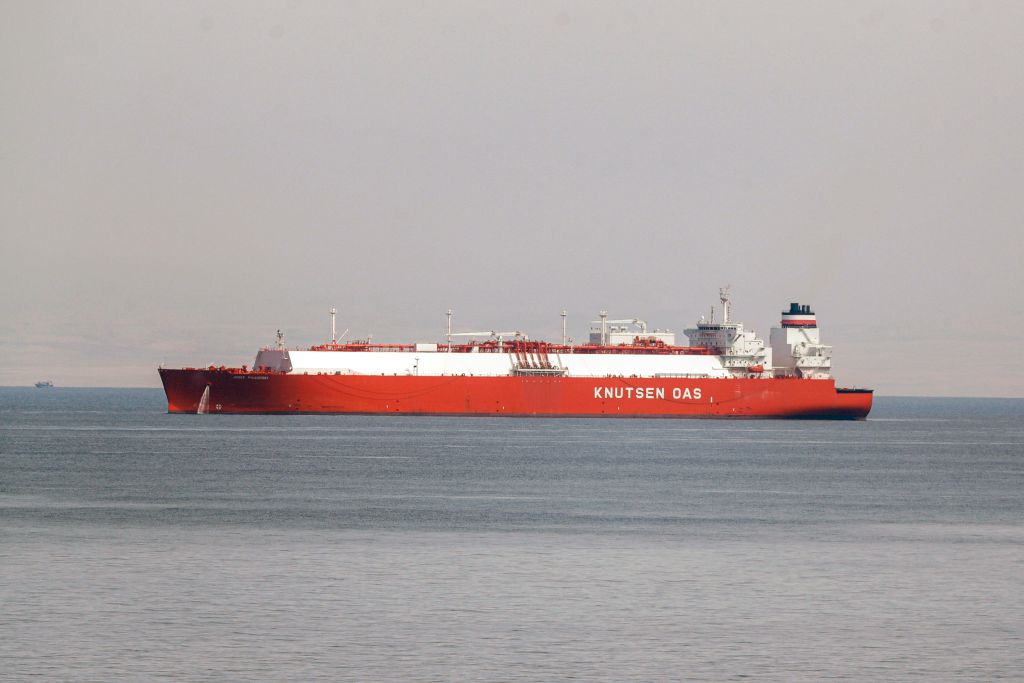
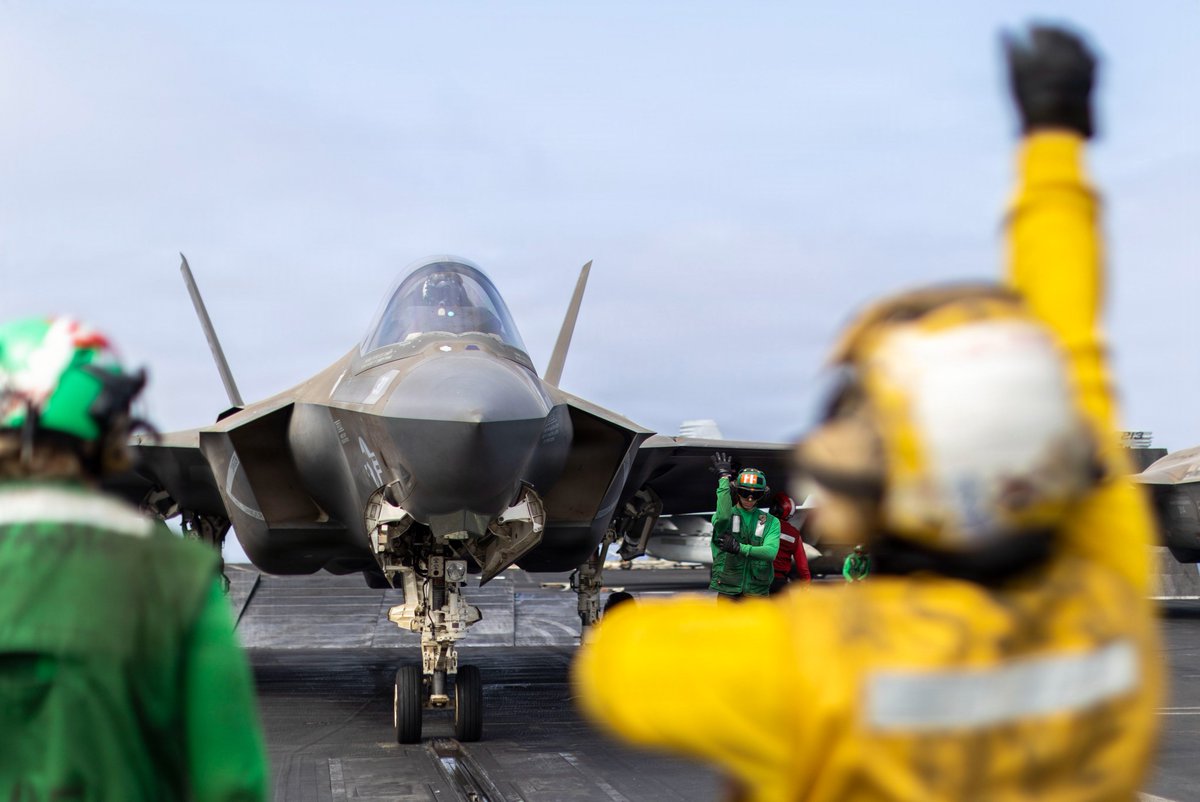
Three sources told Reuters on Thursday that if the United States targets Iran’s power infrastructure, Iran has asked the Yemeni Houthi forces to prepare to close the oil transportation route through the Red Sea. This move could pose a new major threat to global energy supplies.
Two senior Iranian sources and a local source familiar with the situation said in their anonymity that this idea has been discussed within the leadership of the Islamic Republic of Iran, and relevant information has been conveyed to Iranian-backed Houthi allies.
According to sources, the Houthi forces have received this request from Tehran recently. There have been no media reports about this before.
They did not disclose the channel through which this information was conveyed, nor did they indicate whether it came after US President Trump’s threat to target Iran’s power infrastructure on Tuesday.
The Iranian Foreign Ministry and Hezbollah spokesperson have yet to respond to Reuters' inquiries.
A source close to the Houla forces said that the Houla forces have completed their preparations for the attack on shipping. They have deployed missiles and drones in the highlands overlooking Hodeida and the Gulf of Aden within Yemen, as well as near the Red Sea gateway of the Strait of Mandeb, and are currently waiting for the order to carry out the operation.
Any threat against the Red Sea and its gateway, the Strait of Hormuz, could significantly exacerbate the global energy crisis caused by Iran's closure of the Strait of Hormuz, and also highlight the explosive risks associated with a new round of warfare.
Due to the closure of the Hormuz Strait, if the Houthi forces further attack ships or ports in the Red Sea, both of the Middle East's main oil export routes will be cut off. This will create new fronts for the energy crisis and broader conflicts between Iran and the United States.
According to sources close to the Houthi forces, the Iranian Islamic Revolutionary Guard Corps personnel stationed in Yemen will have the final say over when the Strait of Mandeb will be closed.
Another sign of escalating tensions in the region is that the Houthi rebels fired missiles at Saudi Arabia after accusing it of bombing an airport under their control on Monday, breaking the ceasefire that has lasted for four years between the two sides.
Risk Intelligence Company Verisk Maplecroft Chief Middle East Analyst Torbjorn Solvedt stated that the escalation of conflict between Husse and Saudi Arabia occurred at an extremely sensitive moment. He said: “If fighting further escalates and affects the Red Sea export infrastructure and shipping, it will threaten the only major alternative transportation route for oil exports in the region.”
Two sources close to the Saudi Arabian government have said that the Saudi side is taking the threats from Iranian and Hasa-backed armed groups very seriously, and has confirmed that Riyadh has been closely coordinating with Tehran on the Red Sea issue.
This conflict began on February 28th. At that time, Israel and the United States launched attacks against Iran, followed by Tehran's closure of the Strait of Hormuz. Before the conflict, this strait played a crucial role in transporting about one-fifth of the world's energy supply.
Since the fragile cease-fire agreement between Tehran and Washington was broken in June, regional tensions have continued to escalate, and concerns about a full-scale war have risen again. As a result, energy transportation through the Strait of Hormuz has been disrupted.
Currently, the Red Sea route accounts for approximately 7% of the global energy supply transportation. A large amount of oil from the Gulf region is diverted through Saudi Arabia’s pipelines to be transported to the Red Sea.
During the war in Gaza, after the Houthi forces attacked merchant ships, many international shipping companies were forced to take alternative routes through Africa. As a result, the transportation distances increased significantly, and costs rose dramatically.
Currently, Saudi Arabia is transporting about 70% of its energy exports through the port of Yanbu in the Red Sea. Therefore, if this port were to be directly attacked, it would also have a serious impact on the global oil market.
One source familiar with regional affairs indicated that Iran is attempting to exert pressure on Washington by increasing the global economic costs associated with US needs, including threats to Red Sea shipping as well as Saudi Arabian oil exports via this waterway. The source characterized this as a part of "Iran's strategic thinking."
This person in the message also stated that "sealing off the Mande Strait" is "not difficult."
He said, “Anyone who carries a rifle can disrupt shipping operations. Advanced missiles aren’t necessary; just a single attack can destroy shipping operations.”
Iran regards the Houla militant group as part of its regional 'resistance axis'. This alliance also includes Hezbollah in Lebanon and Iraqi Shiite militant groups, which have all been involved in regional conflicts between Tehran and Washington.
However, the Houthi armed forces have not officially joined this conflict.
The United States claims that Iran has been providing weapons, funding, and training to the Houla militia, and has also provided support through channels such as Hezbollah in Lebanon. Tehran denies these allegations.