On August 11th, Musk posted on the social platform X: “China is amazing! I strongly recommend everyone to visit China.” His mother also commented below in support of his statement.
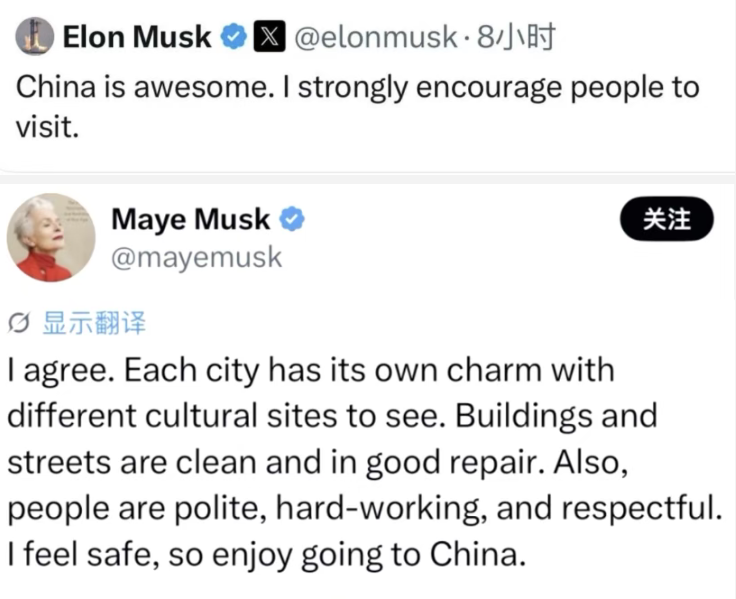
Image source: X
Recently, a vivid example has confirmed this statement. Phil Mogg, the mayor of Christchurch, the second-largest city in New Zealand, was deeply inspired after his visit to China and plans to transform some of the municipal facilities with the highest energy consumption in the city into self-generation stations.
Mayor Phil Meeke was impressed by the photovoltaic power generation facilities above a sewage treatment plant during his visit to Wuhan. After returning home, he came up with the idea of replicating this concept in Christchurch.
According to the New Zealand Herald on the 11th, Meager has asked the municipal authorities to study the feasibility of installing solar panels on top of a sewage treatment plant in the city. If the feasibility study is successful, he plans to expand this solution to other high-energy-consuming public buildings, such as the two local sports venues.
Meadge recalled that in June this year, he led a delegation to Hubei to visit several large infrastructure projects, including waste incineration power plants, high-speed railway networks, and intelligent rail transport systems. However, what truly touched him was the photovoltaic device installed above a sewage treatment plant in Wuhan. The panels were mounted a few meters above the ground, resembling canopies, but they were not fully enclosed. During rainfall, rainwater could naturally drip through the gaps between the panels.
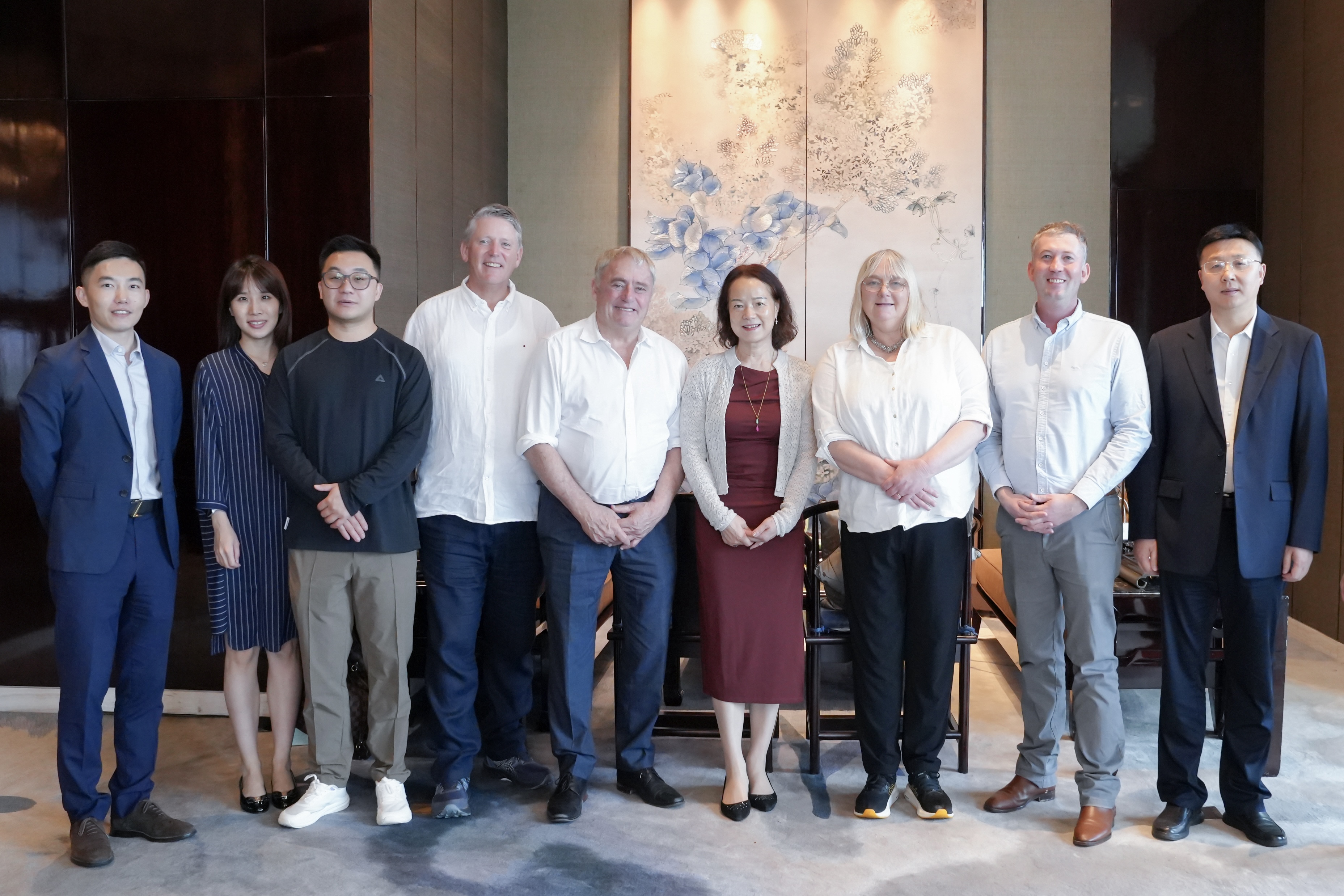
From June 6th to 9th, Phil Mauger, the mayor of Christchurch in New Zealand, led a delegation to Hubei to deepen exchanges and cooperation between the two regions in areas such as sister city relations, trade and economy, science and education, environmental protection, and youth affairs.
Currently, the project is still in the research and feasibility stage. Parliament staff are calculating the construction costs and implementation conditions. Mayeck is quite optimistic about the prospects, expecting to receive a preliminary assessment report within a month. If the feedback is positive, he will fully support the implementation process.
He explained that the basic idea is to place photovoltaic panels in areas with the highest electricity consumption loads, so that power can be generated locally and directly supplied to the facilities related to the city council. “By not using the electrical grid, there is no need for connection fees, making it a win-win situation.”