Mass automobile plans plan to cut approximately 50,000 jobs globally.
According to the American magazine 'Business Insider', on September 3rd local time, the Volkswagen Group's supervisory board approved the '2030 Future Plan'. This restructuring plan includes 12 measures, which Volkswagen describes as the 'largest reform project in the group's history'.
This new round of layoffs is carried out in addition to the existing layoff plan. In 2024, Volkswagen Group reached an agreement with labor representatives to reduce more than 35,000 jobs in its German factories by 2030.
Volks said that in addition to existing cost-cut initiatives, there must also be a fundamental adjustment to the global workforce, including management positions. Volks did not specify which positions will be eliminated or when the layoffs will take place. It was also not explained whether direct dismissals, buyouts, or natural attrition will be used.
The layoffs are just one part of a larger strategic adjustment. The company plans to reduce the number of models by half by 2035, reducing the complexity of products by approximately 75%. At the same time, the goal is to achieve an annual sales volume of around 9 million units, with a gross profit margin of 9% by 2030.
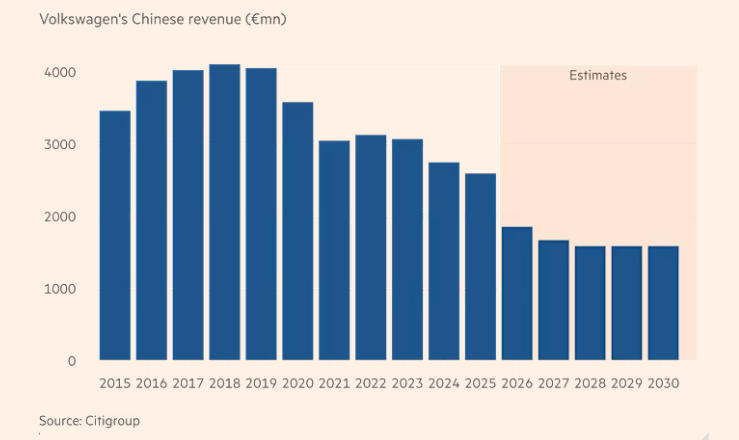
Reports indicate that Volkswagen is facing fierce competition from Chinese automakers, especially in European markets. Technological advancements, tariff policies, and high energy prices also pose significant challenges.
This is also a major trend in the automotive industry: car manufacturers are facing multiple unfavorable factors and are streamlining their product lines to reduce costs. Volkswagen is a prominent example of this trend.
Volkswagen announced that European factories have excess production capacity of over 500,000 vehicles above current market demand. The four German plants in Emden, Zwickau, Hanover, and Neckarsulm face uncertainty regarding their future production plans between 2031-2034. Volkswagen is exploring alternative uses for these factories.