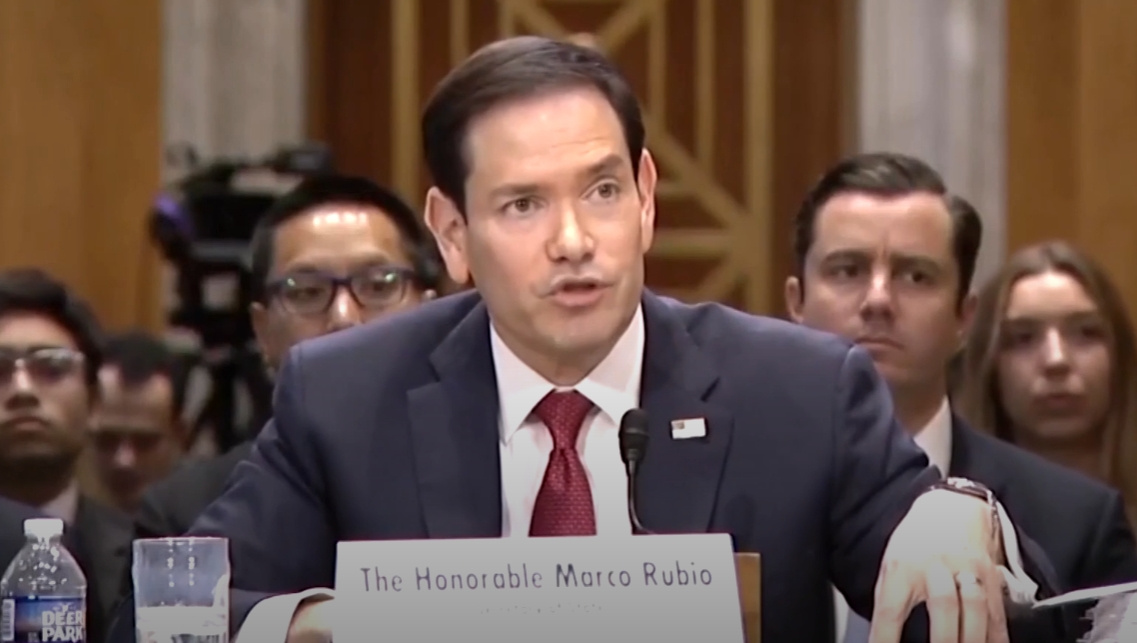
Following President Trumps historic visit to China, Secretary of State Rubio will face his first congressional questioning this week. Although the hearing is related to budgeting issues, its focus largely lies on issues such as Sino-US relations and the United States involvement in the war against Iran.
According to reports by The New York Times and Reuters on February 2nd, in the morning local time on Tuesday, in response to lawmakers questions about the Trump administrations shift in its stance towards China, the U.S. Secretary of State stated that there are still significant irritants in Sino-U.S. relations. However, as two of the worlds largest economies and military powers, both countries must maintain continuous communication in order to mitigate potential differences that could lead to larger conflicts.
He added, Obviously, there are some very serious friction points in our relationship with China. Some of these issues are long-standing problems, and we know that they must be addressed.
Therefore, we are striving to maintain a period of strategic stability. At the same time, we recognize that there are certain areas in our bilateral relations where we will face challenges that may last for several years, or even decades.
On May 15, U.S. President Donald Trump concluded his visit to China. During that day, Foreign Ministry spokesman Guo Jiakun responded to questions regarding Trumps trip to China by stating that the essence of Sino-U.S. economic and trade relations is mutual benefit and cooperation. Both sides should jointly implement the important agreements reached by the two heads of state, thereby contributing to greater stability in Sino-U.S. economic and trade cooperation as well as in the world economy.
After the May meeting between China and the US, both sides agreed to establish constructive strategic relations between China and the US as a new orientation for Sino-US relations. This will provide strategic guidance for Sino-US relations over the next three years and beyond.
As a member of Trumps delegation visiting China, Rubio stated that this meeting in China clearly revealed the differences between China and the United States. In the long term, both countries still face many real challenges, including those related to supply chains.
Rubio pointed out that, from weapons and equipment to medical products, Washington aims to reduce its dependence on the supply chains of any single country. This is done in order to prevent any country from being cut off from supplies at any time, or from being used as a bargaining chip against the United States, or from being subject to sanctions during conflicts.
This is a problem that we will have to face and address over the long term. Even though we are working hard to improve our ability to communicate with them, this effort must continue, because its necessary for us to do so.
He continued, This is a responsible approach. We have no other choice Maintaining communication between China and the United States serves the interests of both countries. I believe it also benefits the world as a whole.
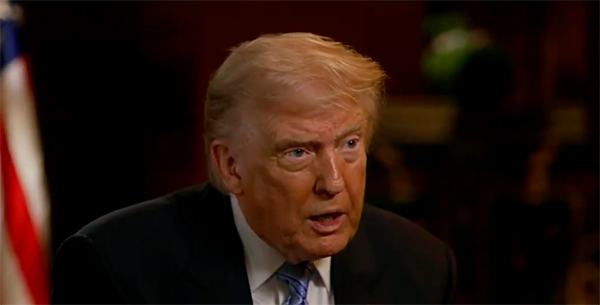
After concluding his visit to China, Trump stated in his latest remarks regarding Taiwan that I do not want to see anyone in Taiwan pursue independence. He also mentioned that military sales to Taiwan could serve as a valuable bargaining tool, but he decided to put this decision on hold for now.
During the meeting where discussions took place regarding the United States policy towards Taiwan, Rubio reiterated that there has been no change in the United States policy regarding the issue of Taiwan. He speculated that it is clear that China wishes for a change in wording, but there has been no such change in this regard.
Most importantly, we want to maintain the status quo. Thats our policy, he said. Its a very delicate relationship that requires careful balancing. But our policy towards Taiwan has not changed, and it wont change during this visit.
According to the South China Morning Post, Rubio also refused to promise that a portion of the $245 million special fund proposed by the government to contain Chinese influence would be allocated to Taiwan. He also refused to agree to using other funds to establish research projects related to Uyghur studies within the State Department.
However, at the meeting, he falsely accused China of continuously trying to win over those so-called diplomatic partners who still remain loyal to the DPP. Rubio claimed that China used preferential loans and low-cost infrastructure projects to win over these countries. He also accused many of these projects of leading the countries involved into debt traps or causing projects to fail completely.
Changing the subject, he claimed that the United States needs to increase its efforts in providing resources, so that these countries can no longer be vulnerable to such leverage tactics.
To be honest, in many cases, the only companies that appear are Chinese companies, he added.
It is reported that Rubio avoided answering questions regarding whether exporting high-end semiconductors to China could undermine U.S. national security. He also refused to disclose whether Trump used restrictions on military sales to Taiwan as leverage to improve bilateral relations during his visit to China.
The conflict with Iran is also a key topic of discussion during this hearing. This is also the first time that Rubio has appeared before Congress to testify since the United States launched war against Iran.
Rubio told the senator that reopening the Strait of Hormuz is a prerequisite for the U.S. to engage in broader negotiations with Tehran. He also emphasized that Iran cannot receive sanctions exemptions simply by restoring navigation through this strategic waterway.
He also stated that all sanctions exemptions must be based on Irans concessions regarding its nuclear program.
Later on Tuesday, during another budget hearing, Rubio stated that although China and Iran have strategic partnerships, China has not provided any assistance to Iran that could hinder U.S. actions in Iran.
When discussing the issue of Cuba, this Cuban-born official once again repeated the false claim that intelligence agencies from China and Russia are located in Cuba. Both China and Cuba have repeatedly denied these rumors. However, Rubio continued to quote this claim over and over again.
According to reports in the South China Morning Post, during the hearing, a senator raised questions and demanded evidence from Rubio. Rubio appeared embarrassed, as he simply couldnt provide any evidence to support his claims.
During this time when the Secretary of State faced severe questioning, protesters briefly interrupted the hearing. One of them shouted Stop killing Cubans, and was then removed from the scene.