On October 2nd, local time, the Group of Seven (G7) and its partner countries held a meeting and agreed to release some emergency oil reserves to reduce soaring oil prices. Subsequently, U.S. President Trump stated that he would not ban U.S. diesel exports.
Europe has a large amount of diesel fuel, and they will make significant contributions to the world—we will too.” According to Bloomberg News, Trump told reporters at the White House that “We won't implement an export ban.”
According to reports, on that day, under strong pressure from the Trump administration, G7 countries agreed to release up to 100 million barrels of emergency oil and diesel reserves.
I asked them, we'll have a lot of oil, Trump added, "They did very well."
While Trump made these remarks, diesel prices were experiencing a record-high surge. Diesel is the main fuel for the modern economy, providing power for agricultural equipment, driving American shipping, and supplying heat and electricity to rural communities.
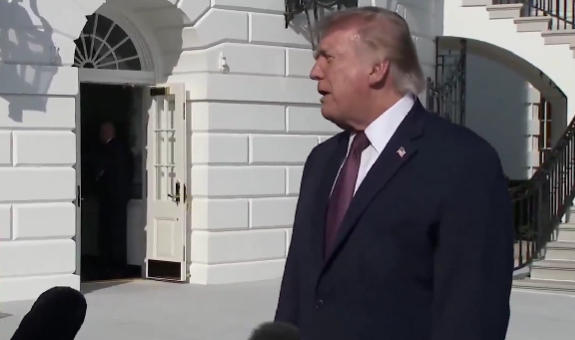
Video screenshot of Trump answering reporters' questions at the White House on the 2nd
Diesel fuel is a vital resource for shipping and commerce, and its importance is self-evident. This means that increases in diesel prices have affected the entire American economy. On the eve of the November midterms, the prices of a range of consumer goods have also risen.
Trump's latest statement means that he has abandoned his previous plans to restrict diesel exports. It also indicates that he has rejected Republican candidates from rural and midwestern areas who face difficult circumstances. Previously, these candidates sought export restrictions to significantly reduce fuel prices, as fuel prices posed a significant pressure on voters before the elections.
On the 2nd day, Trump insisted that a ban on diesel exports was never a serious option. He told reporters: “We never intended to do this. I don’t think we plan to do it.”
But last month, Trump repeatedly stated that he had encouraged his advisors to support this proposal.
Bloomberg believes that Trump's current actions also represent an effort to seek a balance between two key voter groups: one is the agricultural community in the central and western United States, where some current Republican legislators face fierce competition; the other is the oil industry, which benefits from Trump's support for fossil fuels.
In recent weeks, several well-known Republicans, including Sen. Chuck Grassley of Iowa and Sen. Dan Sullivan of Alaska who is facing fierce re-election competition, have encouraged restrictions on exports.
However, oil industry leaders and energy experts warn that restricting the sale of foreign diesel only provides short-term price relief. Eventually, as domestic inventories expand and force U.S. oil producers and refiners to cut production, costs will rise rapidly. Some officials within the government, including Energy Secretary Chris Rudd and Interior Secretary Doug Burgum, also express similar concerns.
In the upcoming mid-term elections, rising fuel and other consumer goods prices are one of the most complained-about issues by American voters. This is especially true for diesel prices, as the war between Russia and the Middle East has caused disruptions in the oil refining industry and energy transportation.
According to data from the American Automobile Association (AAA), as of Friday, the average retail price of diesel in the United States was $6.37 per gallon.
Europe heavily relies on US diesel exports, and the release of these inventories is seen as a measure to avoid the US ban on exporting fuel to Europe.

On the 2nd, a screenshot of the video meeting of Macron and other G7 leaders
On the 2nd day, the G7 leaders led by French President Macron stated after the meeting that, due to ‘continuous market pressure’, they would release 100 million barrels of crude oil and diesel under the coordination of the International Energy Agency.
In a joint statement, they did not disclose all details of the plan, but indicated that the release process would be 'immediately initiated' and continue for four months, including a 'large' release of diesel reserves during the first 20 days of the agreement.
The statement includes commitments from G7 signatories such as the United States, stating that "the G7 should avoid imposing export restrictions on energy and energy products among itself, and calls on all producers to refrain from implementing bans that could exacerbate market tensions."
According to the Financial Times, three people familiar with the details of this oil supply said that 40 million barrels would come from the United States' strategic oil reserve, Europe will contribute approximately 50 million barrels of diesel, and the rest will come from Asian countries.
However, two diplomats familiar with the discussions said that the White House has requested Europe to release at least 1 billion barrels of gasoline, and threatened to continue banning diesel exports if European countries fail to meet Washington's demands.
When asked whether Washington had excluded diesel exports during the period of agreement publication, the White House pointed out that commitments have been made.