According to a report by Reuters on October 2, the State Administration for Market Regulation of China has required Anglo American to make a commitment to continue providing stable supply of copper concentrate to China after the completion of their merger with Canadian Teck Resources worth approximately $54 billion.
Three informed sources revealed that the supply commitments required by China not only involve copper concentrate sold directly to China by enterprises, but also some of it is sold through traders. The State Administration for Market Regulation has previously heard from Chinese copper smelting enterprises and is currently discussing relevant “behavioral remedies” with these enterprises.
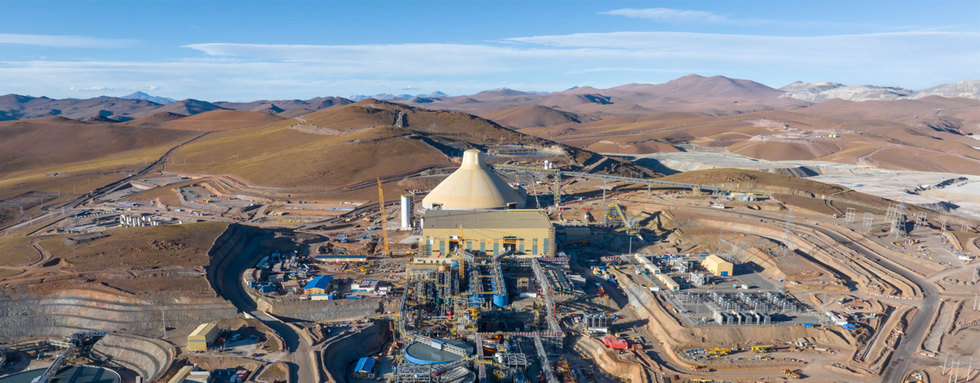
Tek Resources Chile’s Quebrada Blanca Copper Mine – Tek Resources Website
Last year, Anglo and Teck announced their merger, with plans to form a new company called Anglo Teck. According to the plans announced by both parties, the merged company will become one of the world's leading copper producers.
According to Reuters, this transaction has been approved by regulatory authorities in all regions other than China where both companies operate. The two parties plan to complete the transaction by March 2027 at the latest.
According to people familiar with the matter, what China is currently discussing involves “behavioral remedial measures” in antitrust reviews, and no request has been made for the two companies to sell their mines or divest other assets.
After the merger of Anglo-American resources and Texcor resources, it is estimated that they will control about 5% of the global copper supply. This figure is lower than the competitive threshold of 10% to 15% reported by Reuters.
China is an important market for copper products of two companies.
Anglo-American Resources produces large amounts of copper in Chile and Peru, and sells this unrefined copper ore to smelting companies in China, Japan, and Europe. Both Anglo-American Resources and Tek Resources currently have marketing teams in China.
China also has the world's largest copper smelting industry. According to Reuters, China currently smelts about 60% of the world's total copper cathodes. However, the vast smelting capacity requires a large amount of overseas copper ore raw materials to support it. Domestic smelting enterprises are currently facing a serious shortage of copper concentrate supply.
Copper concentrate is the main raw material for producing refined copper. The ore mined from the mine is crushed and processed to form copper concentrate, which is then processed into refined copper by smelters.
In recent years, China's copper smelting capacity has continued to expand, but the newly added production of copper mines worldwide has not increased at the same rate. This year, various large copper mines have experienced varying degrees of disruptions in production, further compressing the supply of refined copper ore.
Material competition has directly affected the smelting process. Due to the tight supply of copper concentrate, the processing fees charged by smelters to mining companies have continued to decline, and some spot transactions even result in negative processing fees.
According to Reuters, the growth rate of China’s refined copper production is expected to slow significantly this year, with a lack of copper concentrate being one of the main reasons.
China has maintained a high demand for imported copper concentrates over the long term. For global large copper mining companies such as Anglo American and Teck Resources, China is not only an important consumer market but also a crucial destination for selling their copper concentrate products.
The merger plan for Anglo-American resources and Tek resources also clearly favors copper.
The two companies hope to consolidate their assets in copper, iron ore, and zinc through the merger. Copper will become the core asset of the new company. Global major mining companies have been increasing their investment in copper assets in recent years. Developing a new large-scale copper mine usually requires substantial capital, and it often takes many years from exploration, construction to production.
According to a report by Reuters on September 28, global mining companies are expanding their operations through mergers and acquisitions. Copper resources have become a focus of competition among large-scale transactions. Some new copper mine projects require investments of $10 to $20 billion, which motivates mining companies to prefer mergers and joint ventures in order to increase their resource reserves and financing capabilities.
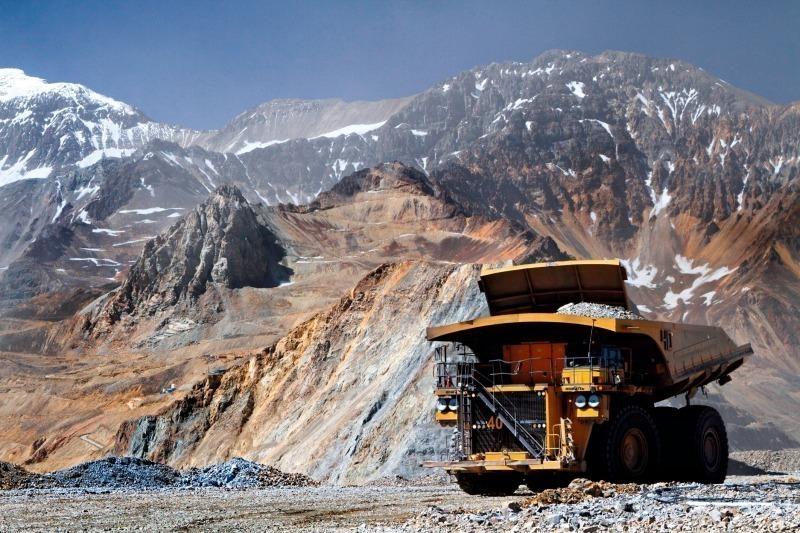
Anglo-American Resources’ Los Bronces Copper Mine – Anglo-American Resources Website
According to Reuters, Anglo-American Resources did not disclose the specific details of the negotiations regarding the reports indicating that China is seeking supply commitments.
The company’s spokesperson stated that the transaction approval is progressing “well”. Anglo-American Resources is engaging in “constructive cooperation” with the China National Administration for Market Regulation through formal review procedures. Tek Resources refused to comment on the specific regulatory procedures.
In the review of concentration of operators, regulatory authorities can impose restrictive conditions when approving transactions. In addition to structural measures such as asset sales, they may also require the parties involved to maintain supply, limit price adjustments, or not set unreasonable transaction conditions.
In the cases of concentration review by the State Administration for Market Regulation of China this year, certain transactional conditions were imposed. For example, after the conditional approval of Tencent's acquisition of Himalaya's shares, the transaction parties were required to reasonably increase service prices, reduce service quality, or set unreasonable transaction conditions.
In the mining sector, similar supply issues also arise in European mergers and acquisitions reviews.
British-American Resources previously agreed to sell its nickel business to a company under China Minmetals Resources. The European Commission subsequently raised concerns about antitrust issues related to the transaction, stating that after the deal is completed, some of the nickel-iron supply might shift from the European market to other regions.
In response to concerns from the EU, Minmetals Resources has promised to supply European customers on a long-term basis.