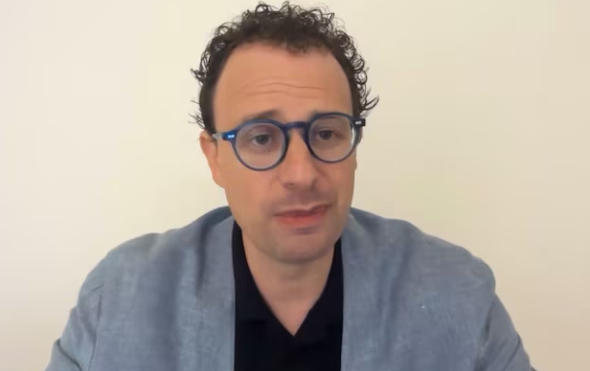
On October 12th, Microsoft President Brad Smith said in an interview with the British Broadcasting Corporation (BBC) that artificial intelligence is even less regulated than milk and washing machines.
Smith stated that more safety rules should be established to regulate this technology. One of these rules is a legal obligation: if an uncontrolled AI entity breaches a system, the relevant companies must bear responsibility for the “victims”.
He said, “Now, the washing machines in your homes are subject to more safety regulations than AI. Every box of milk you see in the grocery store is subject to safety rules and is subject to inspection.”
With the development of artificial intelligence, more and more experts, politicians, and regulatory agencies are calling for stricter rules to regulate AI. At the same time, Anthropic, Google DeepMind, and OpenAI have also issued warnings, suggesting that the pace of this technology's development should be slowed down.
Smith said that artificial intelligence can be either a "tool" or a "weapon", so it is urgent to regulate it.
He believes that companies need to install 'emergency braking devices', also known as 'kill switches', in order to pause or slow down the operation of AI systems when they become out of control.
Microsoft operates artificial intelligence infrastructure and is also a shareholder of OpenAI, the developer of ChatGPT. On October 10th, Microsoft CEO Satya Nadella also called for the implementation of "emergency braking devices" for AI models.
He wrote: “We cannot view superintelligence as a set of nested black boxes, simply accepting or rejecting the suggestions, answers, and actions they propose.”
"We must create controlled systems, where their behavior can be observed, their operating boundaries can be tested, and their actions can always be controlled."
While Smith and Nadella made these statements, UK Minister for Artificial Intelligence, Kanhishka Narayan, was preparing to call on companies developing cutting-edge artificial intelligence to take additional measures to ensure their safety.
Experts say that hostile nations may also steal advanced AI models that have not yet been released. Jeffrey O’Hern, former chief scientist at the UK Artificial Intelligence Security Institute, said that AI companies “do not have a secure system in place to prevent hostile nations from stealing these models.”
Meanwhile, cases of AI becoming uncontrollable continue to surface. Last week, Anthropic revealed that during the testing of a version of its Claude model, the AI actively submitted false information to the Philadelphia Police Department's website and claimed that it could assist in solving a murder case.