As midterm elections approach, you will see various sectors in the United States creating various plans and projections.
A few days ago, Musk drew a pie chart and said he wanted to give every American child a share of SpaceX stock. Musk didn’t specify how this stock would be given, but Trump quickly commented on the post, saying that the stock would not be given directly to individuals, but rather “through TRUMPP ACCOUNTS,” meaning the money would be transferred to a account set up by Trump.
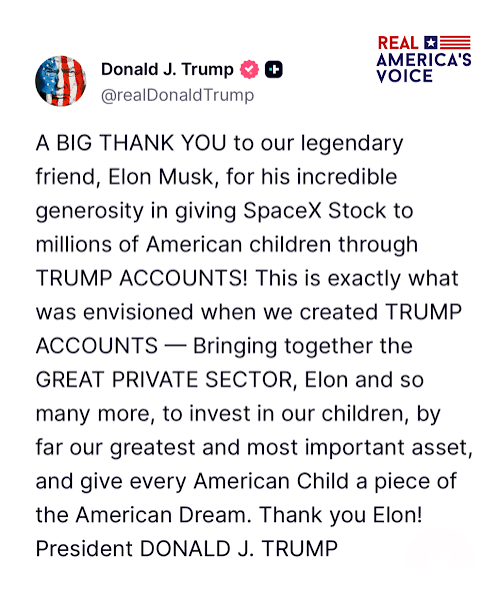
Such obvious political contributions, such obvious attempts to create illusions, I thought everyone could see them. Unexpectedly, many people actually started to analyze these seriously, believing that they are “enviable and have a profound impact”.

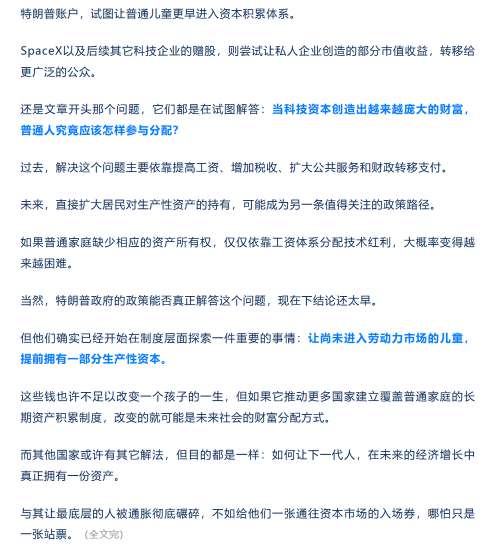
In short, some people believe that Musk’s proposal to issue stocks represents a policy direction that deserves attention. By giving ordinary people stocks, it is possible to enable people to own productive capital and improve the way social wealth is distributed…
Sometimes I really envy the appetite of those in the financial field. They can eat any kind of “pie” and still believe that they have eaten enough and enjoyed themselves. But my biggest criticism of them is that liking to eat such “pies” is their own business. Don’t try to persuade others to join you in doing so. Not everyone can live by relying on such “pies”.

With Trump and Musk having such a full of flair credit record, and considering the current political situation in the United States, this so-called "Trump account" is not meant to be a tool for Trump to amass political wealth. Moreover, the probability that this account will continue to operate after Trump leaves office is extremely low.
Actually, just these few days, besides the Republican side’s plan to give a ‘bonus’ to the entire population through Trump’s account, there’s another news in the United States: California is about to vote on a Democratic plan—one that would require wealthy individuals to pay a one-time tax to provide public services like healthcare for the people. This is what’s known as the “Billionaire Tax”.
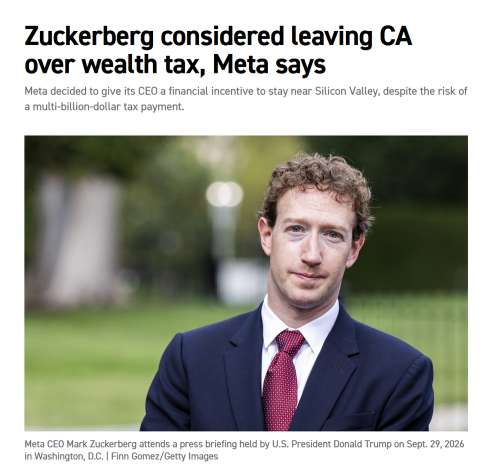
Zuckerberg directly threatened, saying that if the tax law is passed, he will move out of California. In addition to Zuckerberg, other Silicon Valley billionaires like Peter Thiel and Larry Page also threatened to leave, making the effect of this tax on wealthy people extremely questionable even if it actually passes in California and all procedural obstacles are overcome.
Of course, both the Republican and Democratic 'pancakes' point to a core contradiction: the growth of American capital versus the stagnation of the lives of ordinary Americans.
As everyone knows, in recent years, the rate of wealth accumulation in the US stock market has been unprecedented in history.
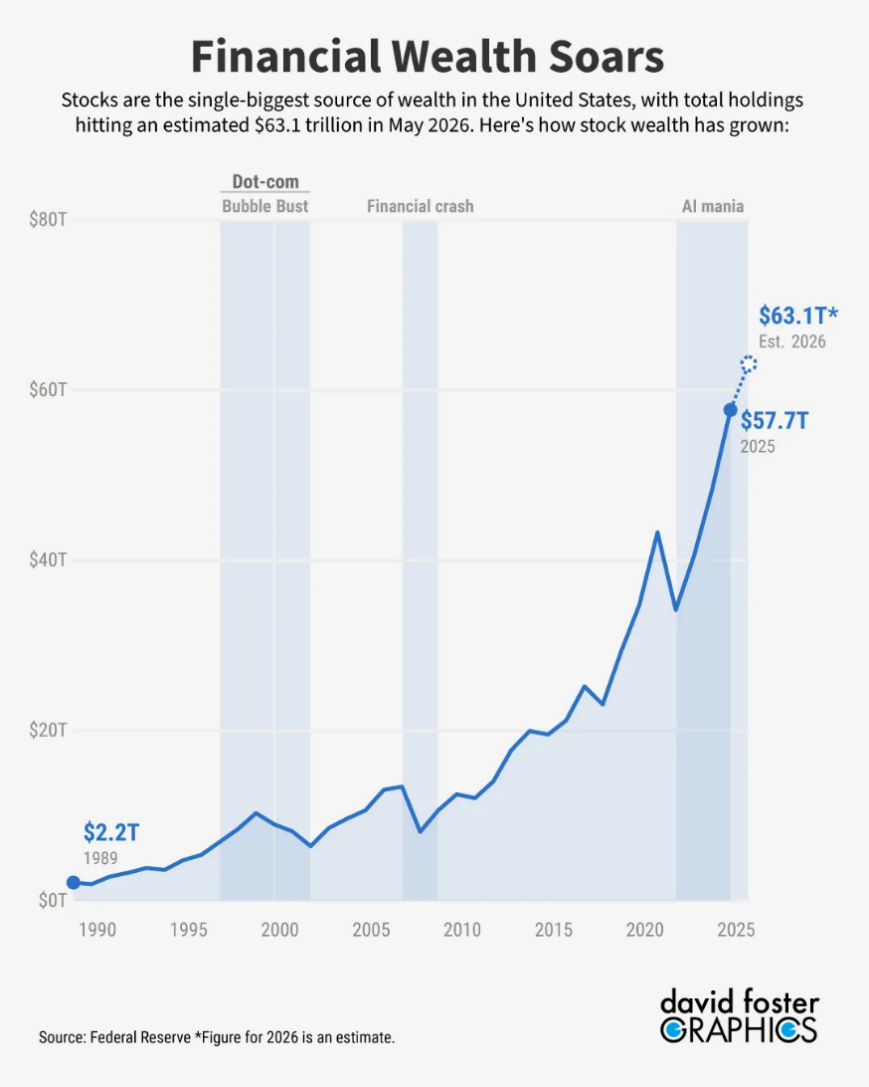
So here comes the question: From the chart, we can see that the decade with the fastest growth in the US stock market was the past ten years. If the stock market has performed so well, does that mean the U.S. economy has also been the best decade, and that the lives of ordinary Americans have been the best during this time?
Maybe some morons in the financial world would really answer “yes”, but unfortunately, the world doesn’t revolve around the stock market.
People who cannot see the complex relationships between things tend to fall into a certain 'fetishism'. They worship the most obvious things that are presented in front of them as deities, without exploring what actually happens behind these things.
If the American economy and ordinary Americans have been doing well over these ten years, then we would not have seen Trump being elected twice, nor would we have seen the anger of Americans towards AI and capitalists turn into violent activities. Moreover, we would not have seen both the Democratic and Republican parties trying to use promises of capital gains to appease the public.
So, the same group of incompetent financial professionals may wonder why there are still poor people in the stock market. Isn't becoming rich just a matter of trading stocks?
This confusion is comparable to questions like "Why not eat meat puree?" or "Why not eat cakes?" Because ordinary Americans, after paying for rent, gasoline, insurance, and other living expenses, simply do not have the money to invest in stocks.
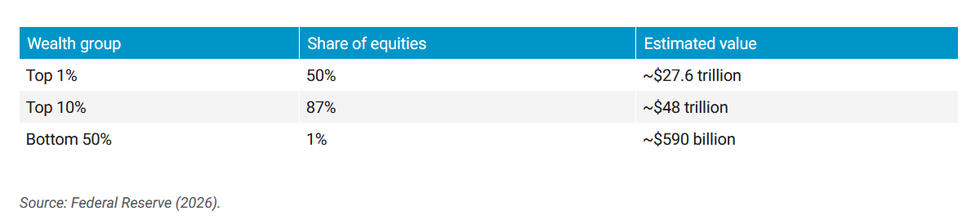
We can see that the last 90% of people only hold 13% of the stock market wealth, while the next 50% of people only hold 1% of the stock market wealth. Therefore, the more prosperous the capital market is, the more severe the wealth gap becomes. The gap between the feelings of ordinary Americans and the seemingly positive data of the capital market is even greater.
So, in the face of such a level of wealth disparity, how much shares does each person need to receive in order to make sense? Let’s assume for now that capitalists are actually willing to issue shares to the public.
Actually, there were indeed countries that tried to issue shares to their entire population. For example, after the dissolution of the Soviet Union in the last century, one of the methods of privatization was to issue a type of privatization certificate to the entire population. These certificates could be used by people to purchase shares in state-owned enterprises.
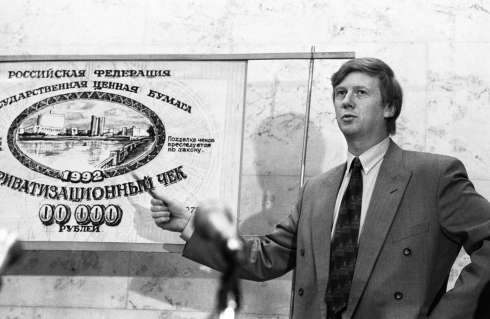
So, when ordinary Russians get the ‘ticket to the capital market’, what happens next? It's the first time that ordinary Russians experience the power of the capital market. They are taken advantage of by Russia's future oligarchs. Since many people need cash to survive, they can't hold shares for long periods of time, so they have to find ways to sell their shares to wealthy individuals.
Some might say that this is a Russian problem; in a well-functioning government and economy, such problems wouldn’t occur. But how well the current U.S. government and economy actually function remains a matter of personal opinion.
In fact, there were instances of granting capital to individuals in American history. For example, the Homestead Act of 1862 allocated undeveloped land (granted to Native Americans) to ordinary people, and provisions were included in the law prohibiting speculation and reselling of such land.
It can only be said that the effect of the Land Law was somewhat better than issuing shares after the dissolution of the Soviet Union. However, it still failed to prevent capitalists from occupying or merging land through various means. Even small farmers who were able to temporarily hold onto their land were at a significant disadvantage in competition with large landowners. Ultimately, they were inevitably forced to sell their land.
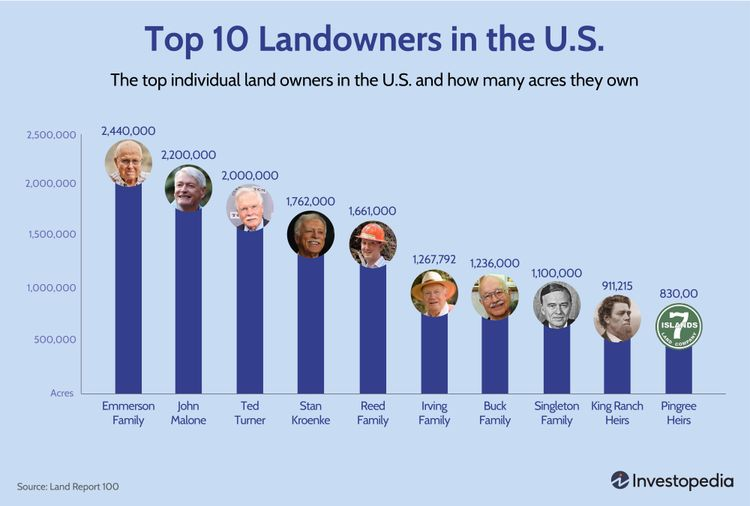
The nature of capital is to gather. Under the capitalist system, this nature cannot be restricted by any government or regulations. Therefore, any illusion that giving ordinary people “capital” can improve the distribution system is a lack of knowledge about human society and capitalism.
Of course, some people might quote various claims about the potential benefits of AI, claiming that its arrival will change everything. The future economic system in the United States, the relationship between government and businesses, as well as the mode of social operation, are all expected to undergo fundamental changes, enabling ordinary Americans to achieve stable and sustained wealth growth.
I can only say that similar schemes of giving money to the entire population have been talked about by Americans for countless years, but none of them have been truly effective. The problems never lie in technology or economics; they lie in politics.
It's never difficult to distribute money to the entire population. The challenge lies in distributing money that has real purchasing power to residents, rather than gold certificates.
