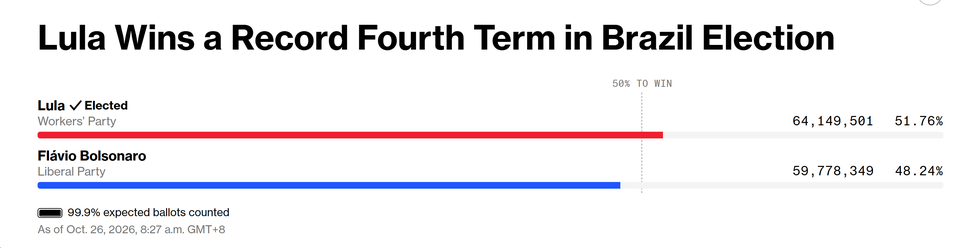
On October 25th, local time, Brazilian President Lula won the election with a score of 51.78% to 48.22%, leading by about 4.4 million votes. He defeated the Liberal candidate Flavio Bolsonaro, setting a record for Brazil’s first election where the winner came from a runoff election after initially trailing in the first round. His new term will begin on January 5th, 2027.
This is another comeback for this 80-year-old left-wing politician after nearly half a century in politics. Achieving a reversal against a backdrop of initial setbacks and strong right-wing momentum shows his recognition by the majority of voters, especially regarding his social policies and achievements in poverty reduction and governance. However, Lula's fourth term is not easy. He will need to work with the most conservative parliament since the 1980s, deal with high public debt, and face an opponent who refuses to accept defeat. How to bridge social divisions and turn electoral victory into governance consensus is the foremost challenge ahead.
From a broader perspective, this election has also set the tone for Brazil's foreign relations. In terms of relations with China, Lula's re-election will ensure the continuity of practical cooperation and is expected to lead to an enhancement of bilateral cooperation in high-tech fields such as artificial intelligence and energy minerals. In Latin America, the election result is seen as a countermeasure against the right-wing trend that has emerged in the region in recent years. As the "last left-wing bastion," Brazil, along with Mexico, continues to be a key factor in shaping the political landscape of the region, playing a crucial role in determining its direction.
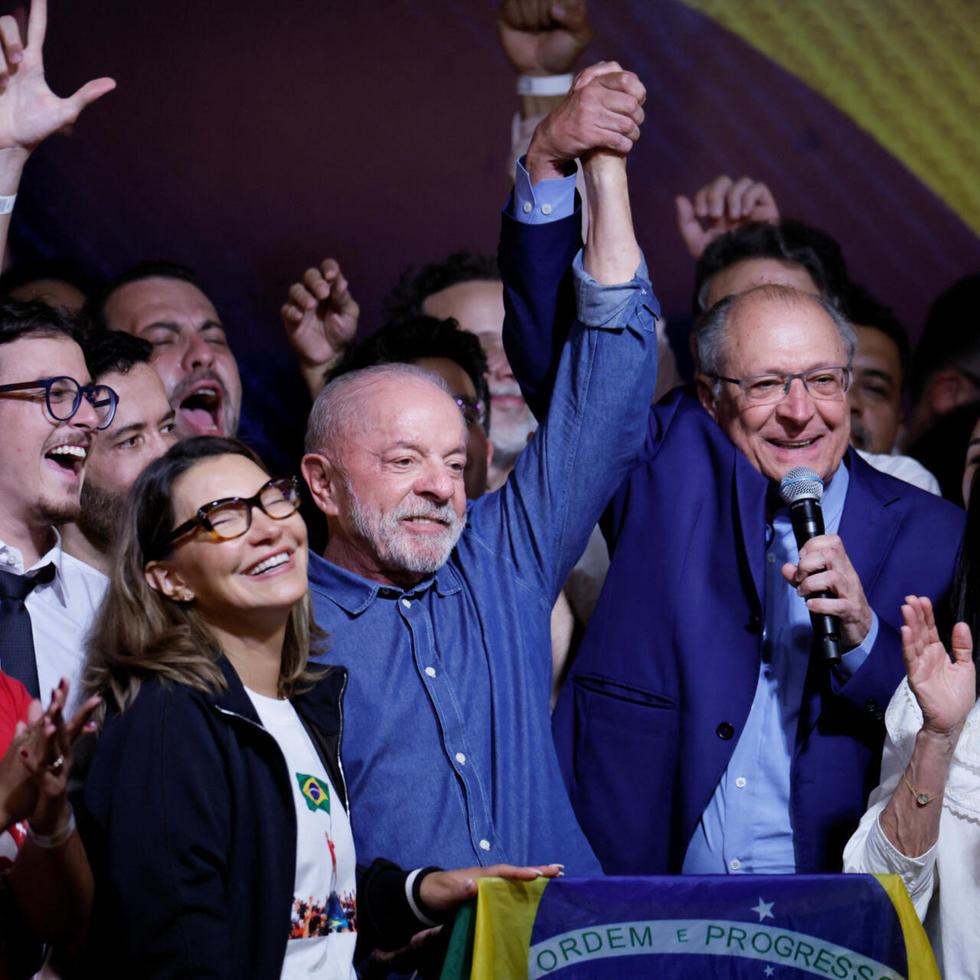
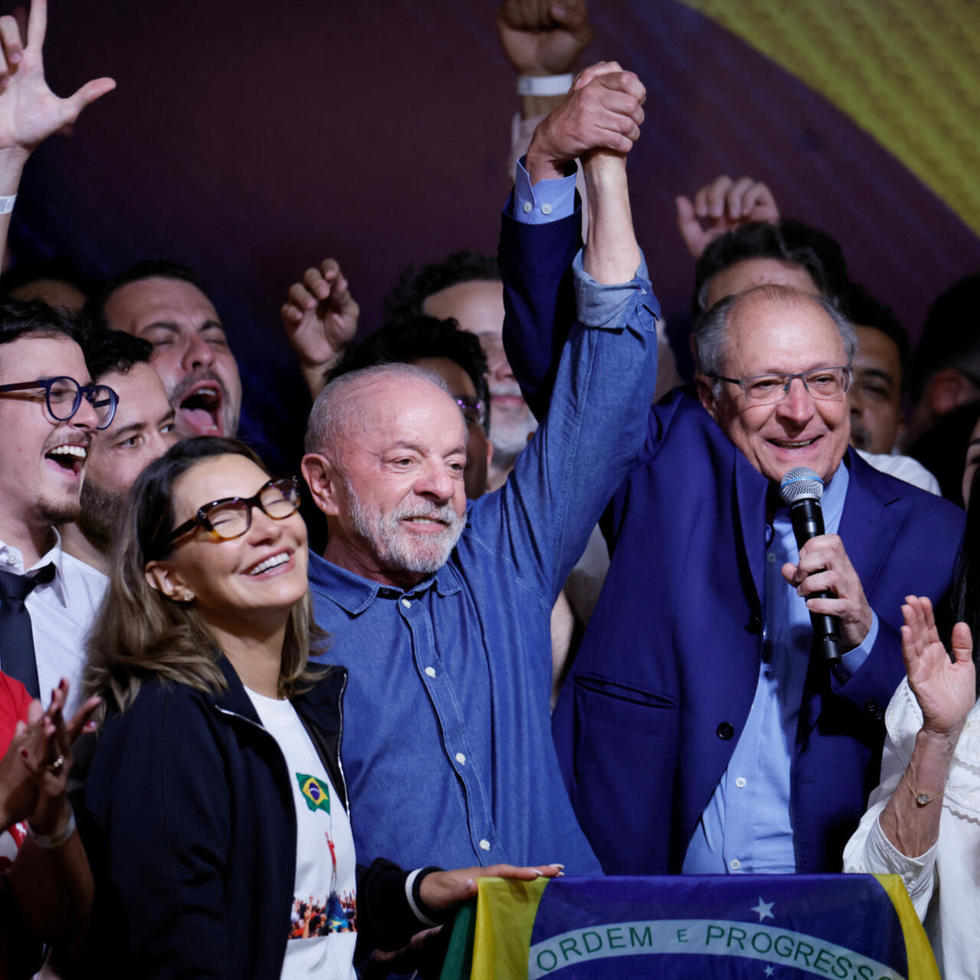
On October 25th local time, Lula celebrated his victory.
Lula's fourth term agenda continues his tradition of expanding government functions, strengthening social policies, and protecting workers' rights.
Its campaign team announced policies including: increasing the amount of the iconic social welfare program "Family Allowance" by 15%, promoting free public transportation across the country on weekends, introducing debt relief for small and micro enterprises and new family debt restructuring plans; temporarily banning online sports gambling; and supporting labor reforms to end the "six-day workweek" system. Economically, the strategy of reindustrialization centered around "New Industrial Brazil" will continue to be pursued.
Environment and climate were prominent achievements of Rousseff's third term in office. According to official data cited by British The Guardian journalist Phillips, the Rousseff government reduced deforestation in the Amazon region by more than 70% over the past four years. They also expelled illegal miners and protected indigenous populations. "The good news is that this will continue."
Hangzhou Normal University's distinguished professor Jiang Shixue told the Observer Network that Lula's victory was mainly due to his policies, which were supported by most Brazilians. His 'people-oriented' social development policies attracted support from low-income groups, indicating that his economic and social development policies were successful to some extent.
Under the halo of victory, Lula’s new term will face the most conservative Congress since the 1980s, high public debt, and a opponent who refuses to accept the results.
At this year's general election, the Freedom Party and its allies in parliament are expected to control a majority of seats in both the House of Representatives and the Senate.
Conservative legislative bodies are poised to limit Lu's influence on policy decisions, weaken his power to nominate Supreme Court justices, and potentially face impeachment threats.
Lula's fourth term will also begin amidst economic challenges. Data shows that Brazil's public debt has exceeded 82% of GDP. The International Monetary Fund estimates that Brazil's total debt will rise to 98% of GDP this year, with a fiscal deficit expected to reach 8% of GDP.
Before the election, Alejo Czerwonko, Chief Investment Officer for UBS's Financial Services in the Americas and Emerging Markets, pointed out that if Lula wins the election, he might prefer a more gradual path of fiscal consolidation. This would involve maintaining public investment and social spending while gradually adjusting the budget. The challenge lies in convincing the market that this adjustment is sufficient to stabilize debt levels.
He warned that if the new government cannot present a convincing fiscal plan, the cost of borrowing will remain high, restricting investment and economic growth.
It is worth noting that after the results were announced, Flavio quickly stated that he ‘could not accept the election results’, and demanded that the election be annulled and legal proceedings be initiated.
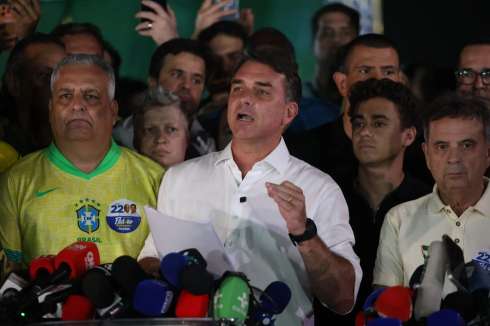
On October 25th, local time, after the election results were announced, Flavio spoke at a press conference. Bloomberg
This scene is strikingly similar to 2022. After Lula defeated former president Bolsonaro, Bolsonaro’s supporters refused to accept the result, and on January 8, 2023, they attempted to storm the Three Powers Square, which includes the parliament, the presidential palace, and the Supreme Court. Now, former president Bolsonaro is under house arrest due to suspected coup-related offenses, while Flavio has promised during his campaign to seek a pardon for his father and to reform the judiciary.
Regarding this, Renato Peneluppi, the director of the Brazilian Citizens Committee in Beijing and the representative and coordinator for the Brazilian Labor Party in China, told Observers Network that Lula received over 4.4 million votes in Bivlávia. "This means that more than 440,000 people voted in our favor. Our victory with such a significant advantage clearly demonstrates that there was no illegal or interference."
As for the Labor Party's plans on how to proceed, we will be prepared and continue to fight. There are no other options left now. Winning this election does not mean that the problems have disappeared. This simply gives us the right to take hold of the presidency and allows us to continue to confront those forces threatening our freedom, democracy, and citizens' rights. Runto said.
Regarding the subsequent actions of the party that lost the election, there is relatively consistent opinion among all parties involved. Mario Braga, a Latin American analyst at risk consulting firm RANE, told Reuters that right-wing protesters may occur in the coming days, but “the possibility of the situation changing is extremely low.”
Tom Phillips of The Guardian also believes that world leaders are recognizing Lula’s victory, and "there is no hope of overturning this outcome" for Flavio. He suspects that Flavio may travel to the United States in the coming days to avoid ongoing criminal investigations. "This doesn’t mean that his supporters won’t engage in violent actions, but his political career is over."
Al Jazeera reporter Monica Anakiyu mentioned that the tensions between Brazil's right-wing parties and the court system could re-emerge, and there are also cracks within the Brazilian Supreme Court. "The judicial system itself is very divided, and it requires a lot of political negotiations."