According to Reuters report on July 30th, at the 2026 World AIDS Conference held in Rio de Janeiro, Brazil this week, a U.S. State Department official presented a new global health cooperation agreement. During the presentation, a completely incorrect map of Africa appeared in the slide show, which caught the attention of the attendees present at the event.
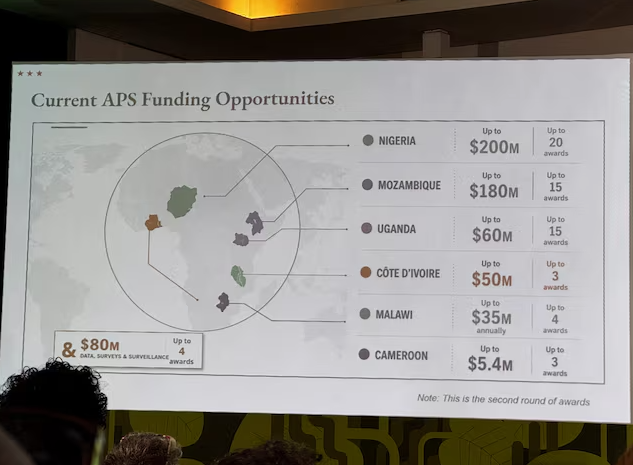
A map full of errors – Reuters
The names of countries on the map are significantly off from their actual locations. Nigeria has been moved into the Sahara Desert, becoming an inland country; Mozambique, located in southeastern Africa, has been placed in the Horn of Africa; and Côte d’Ivoire, a West African country, has moved to the other side of the continent.
The participants then posted screenshots of the map on the internet. The relevant images first appeared in an article on Substack by AIDS expert Emily Buss, and were later shared on platforms like LinkedIn. One of the posts received about 40,000 views.
Reuters found that this map is marked with artificial intelligence-generated labels, indicating that it was likely created using OpenAI tools. OpenAI stated that they are investigating the matter.
The United States Department of State subsequently admitted its mistake, stating that a staff member temporarily revised the presentation before the event began, without fully checking the content of the map. The Department of State said it bore "full responsibility" for the confusion and misunderstanding caused by the map to the attendees, especially African partners.
Atlantic Council researcher Matt Petit criticized that those who created and approved this slide neither knew where the African countries were, nor did they conduct any proper verification.
The speaker on that day was Jeff Graham, the U.S. Special Envoy for Global Health Affairs. He is responsible for overseeing the President's Emergency Plan for AIDS Relief (PEPFAR), but he did not respond to requests for media comments.
The US State Department stated that despite the confusion caused by the map, the discussions during the meeting were “substantive and constructive,” and the US will continue to invest in AIDS prevention and control efforts. However, the Trump administration is reducing spending in areas such as prevention and disease monitoring, and plans to gradually phase out the program’s operations in South Africa.