According to a resolution of the United Nations General Assembly, if everything goes well, Laos will officially graduate from the list of ‘Least Developed Countries’ on November 24th this year. At this critical moment, taking advantage of the National Day holiday, I decided to take a train between Kunming and Vientiane via the China-Laos Railway, to see what this mysterious inland country looks like before its graduation.
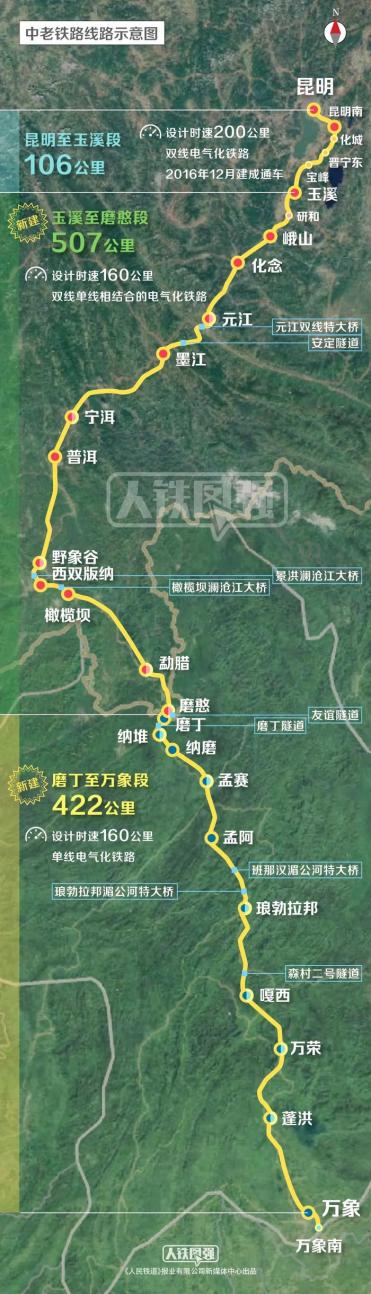
To be honest, it's been many years since I've taken a ten-hour train ride since the domestic high-speed rail network was established. The straight distance from Kunming to Vientiane isn't too long; the China-Laos Railway is 1035 kilometers long. However, this railway serves both passenger and freight transport purposes, and the designed speed throughout the journey is only 160 kilometers per hour, which is equivalent to the "ordinary speed" in China's railway I-level standards.
If traveling from within China, tickets can be purchased directly through the 12306 app. Then, at the station window, the tickets can be exchanged for physical tickets, and passengers can enter the station through the dedicated ticket inspection area of the China-Laos Railway. However, if traveling back to Laos or only purchasing tickets for stations within Laos, it is necessary to download the Laos-China Railway (LCR) app. I tried for a long time to receive the registration verification code, but couldn’t get it. Therefore, for the return trip, I still chose to use a plane. Since my journey starts from Kunming, there are many locals who only travel on Yunnan sections of the railway; most cross-border tourists come from other places and abroad.
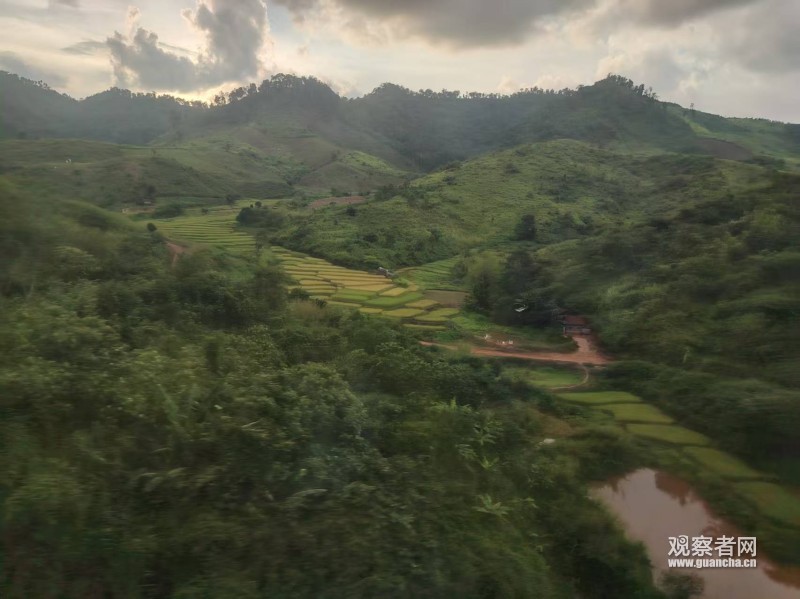
The train entered Laos. Photo provided by the author.
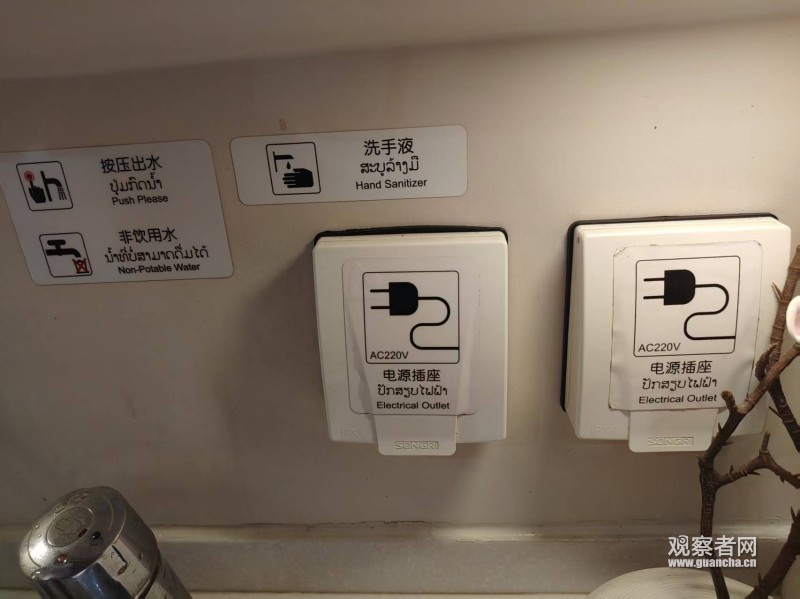
Train's bilingual signs. Photo provided by the author.
In the total of ten hours of travel, about two hours were spent on completing the process. Actually, completing the process wasn’t complicated at all. Considering that if I were to apply for an electronic visa, I might have to queue up and then catch another train, I applied for an electronic visa in advance. By filling out basic information online, I could get the visa within three days. Additionally, both ports have bilingual signs, so the process of passing through the border was relatively smooth.
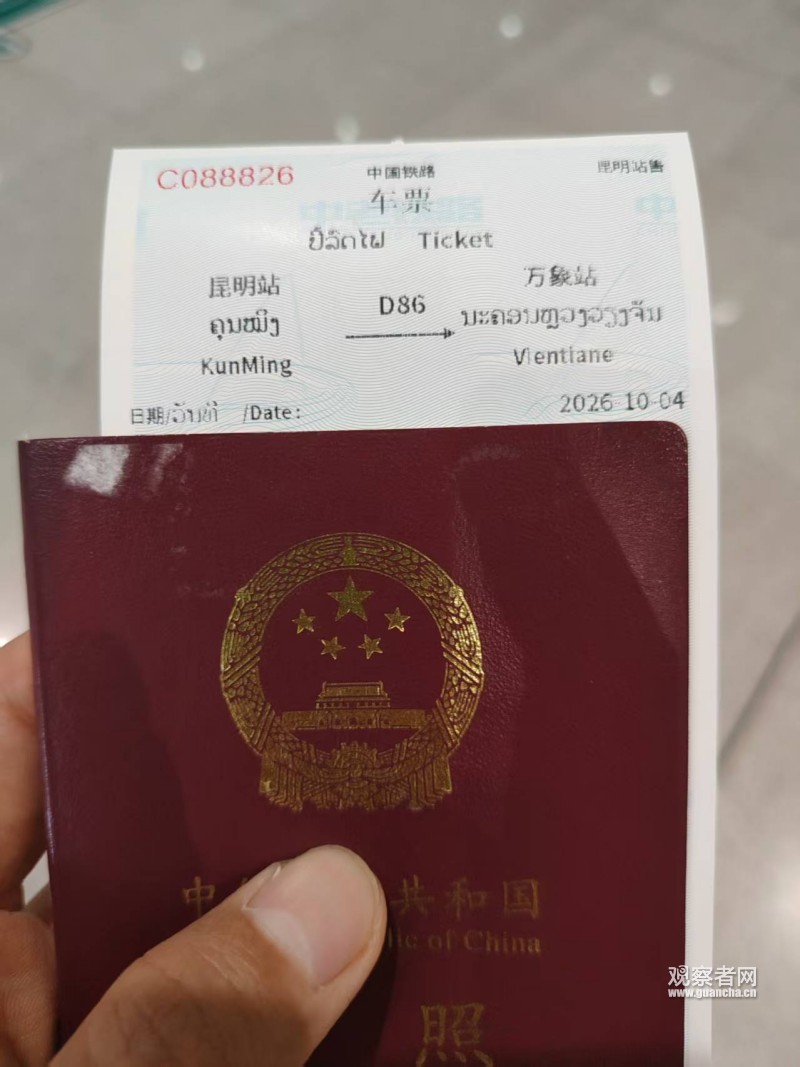
China-Laos Railway Train Tickets. Photo provided by the author.
What is truly cumbersome is that the current international passenger trains on the China-Laos Railway follow a two-stop, two-inspection process: The train first stops at the Chinese station of Mohegan, where all passengers get off with their luggage. After passing through Chinese customs and border control, they board the train again. After a short journey of about fifteen minutes, the train arrives at the Lao station of Mo Ding. All passengers must get off again with their luggage, and then enter Lao customs and border control. In total, there are two disembarkations and two inspections during a single trip. Fortunately, I only carry one backpack for short trips; otherwise, carrying large boxes would be quite overwhelming.
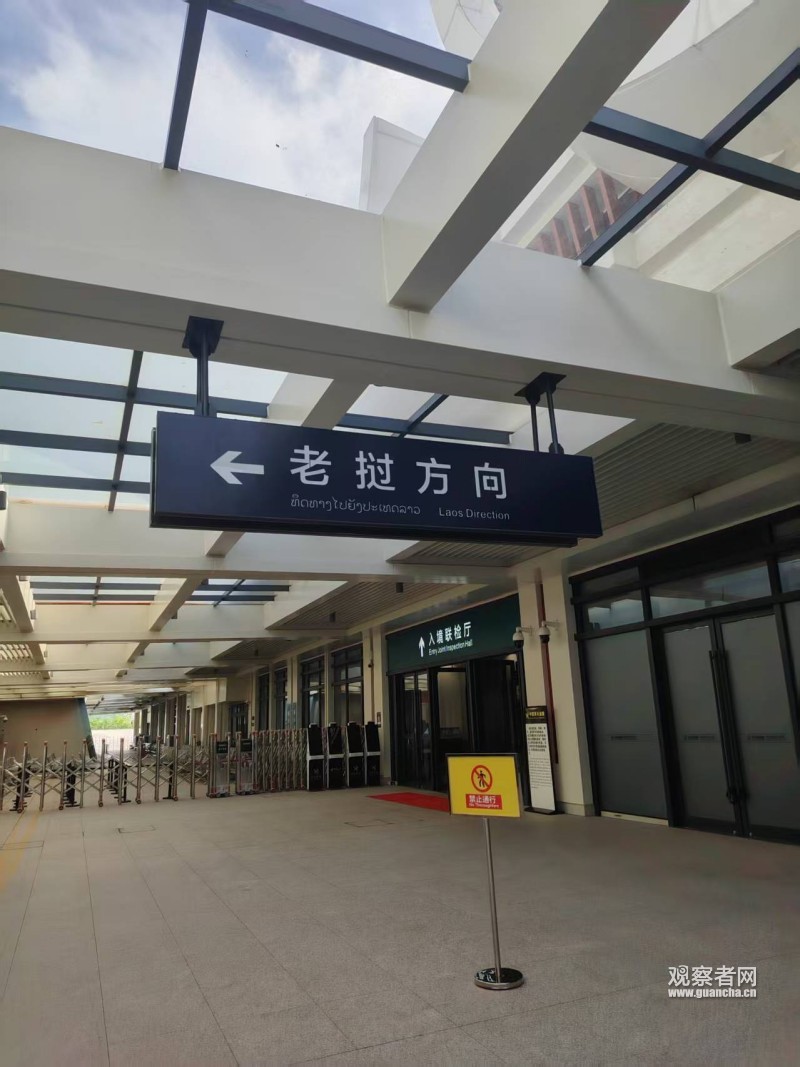
Moghan Station Exit Hall. Photo provided by the author.
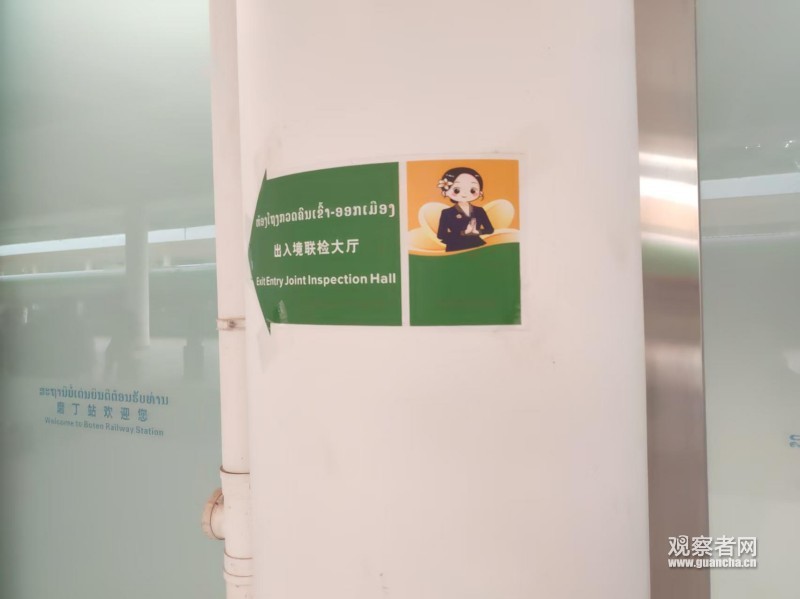
Laos Modin Station's immigration hall. Photo provided by the author.
This makes me somewhat nostalgic about the 'one place, two inspections' model at the West Kowloon Station of the Guangzhou-Shenzhen-Hong Kong High-speed Railway. Of course, China and Laos belong to two sovereign nations. To improve the efficiency of customs clearance, more work needs to be done.
However, the good news is that changes are already underway. China and Laos have signed an agreement for 'one place, two inspections'. In the future, passengers will be able to pass through two inspections at Mohatan or Modin, similar to the situation at West Kowloon Station. At that time, passengers only need to get on and off the vehicle once, and the inspection time is expected to be significantly reduced from the current approximately two hours. There is still room for further reduction in the operating time of the entire route.
As the train entered the Lao section, its speed significantly decreased. Outside the window were endless mountains, with tunnels one after another. Although the Lao section of the China-Laos Railway is only 400 kilometers long, the proportion of bridges and tunnels is extremely high. In the Lao section alone, the proportion of bridges and tunnels exceeds 62%. There are 10 tunnels longer than 5 kilometers and 32 bridges over 500 meters in length, with two crossings of the Mekong River. Therefore, the train kept moving through dark tunnels, and mobile phone signals were intermittent. At this time, I could only flip through books and look out the window.
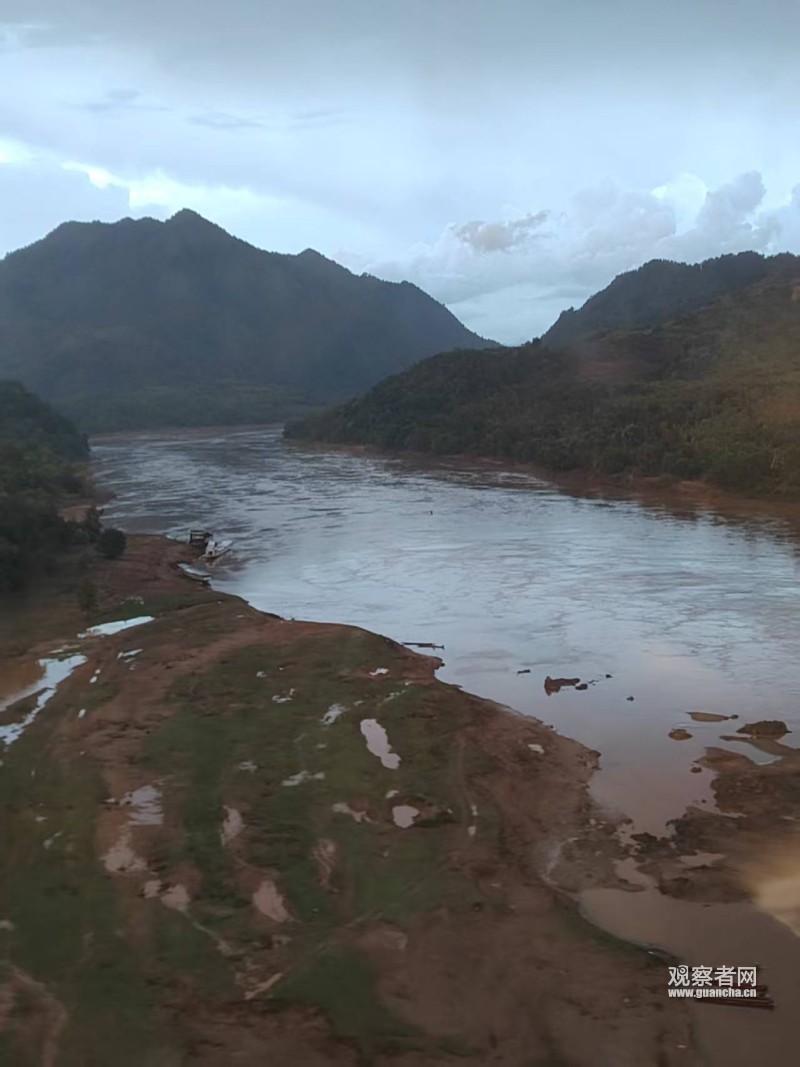
Laos Mountains. Photo provided by the author.
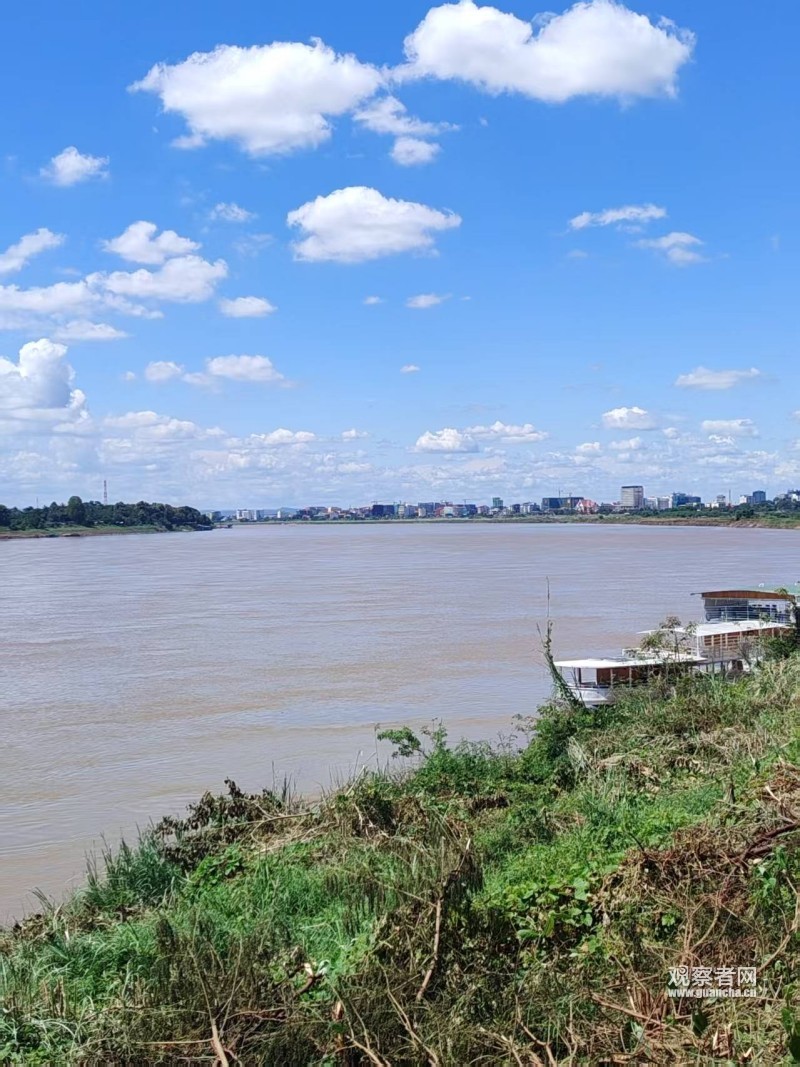
At the banks of the Wanxiang Mekong River. Photo provided by the author.
But it is precisely because of this that I have a true understanding of the three words 'Lu Shuo Guo' – building a railway in a country locked between ten thousand mountains is really not an easy task. Therefore, we really cannot use the speed standards of China's high-speed trains to measure the Zhonglao Railway. The completion of this railway itself is already a significant achievement in the history of human infrastructure construction.
I and my students have interviewed some Lao people who have lived along this railway. When they talk about this railway, they always express genuine admiration. Perhaps it is the real sense of progress and development that is truly important.