“This is what we are able to provide you: a good environment, a good democratic system, a peaceful country, an advantageous geographical location, and the presence of the African Free Trade Zone Secretariat. You can't ask for more.” - Nana Opoku-Ajei Man, Vice President of Ghana, speaking to Observer Network.
On October 17th, Opoque-Ajeman discussed China-Canada economic and trade cooperation as well as mining development with Observer Network at the 2026 Global South Forum (GSAF).
When asked about “what advantages does Ghana have over other African countries in attracting Chinese investment,” Obokou-Ajemman said: “Ghana and China have a very long history of relationship. China was one of the first countries to recognize our nation after Ghana gained independence in 1957.”
She specifically mentioned that Ghana is also a “country with human warmth”. “The people of Ghana are very friendly. That’s an asset.”
Additionally, "we should also consider Ghana's position in the world. We are located within the African Continental Free Trade Area (AfCFTA), and we are proud to have its secretariat there. This means that it is very easy to extend influence from Ghana to other African countries. This is a significant advantage. I believe this is a major advantage that we can offer to anyone who wants to do business with us."
"At the same time, we also have various resources that need to be processed," But Oboke-Ajeman emphasized that Ghana is restricting raw material exports. "Because this cannot create the job opportunities we need and does not bring in the revenue we need."
She believes that the way of ‘cooperating with China’ should be to ‘look at each other’s strengths, then see what we need, and then do business together’. The Chinese electric vehicle and energy companies operating in Ghana are excellent examples of such cooperation.
Opoku-Ajemman concluded, "This is all we can offer you: a good environment, a good democratic system, a peaceful country, a location that is advantageous, and the presence of the Secretariat of the Continental Free Trade Area of Africa. You cannot ask for more."
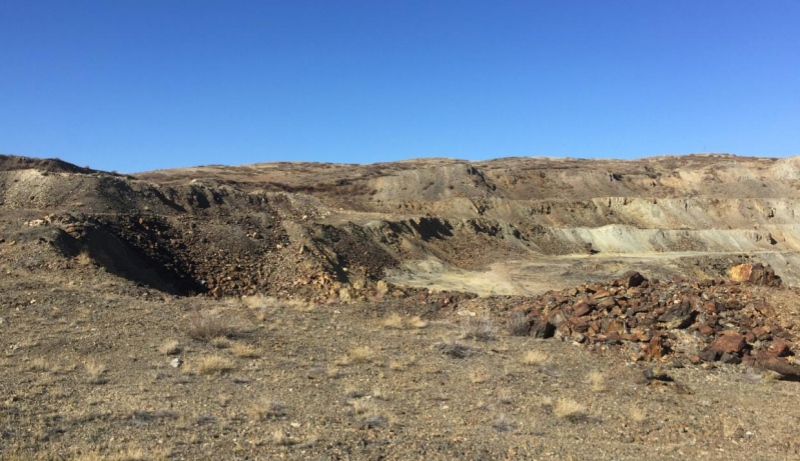
Speaking of mining development, Opoku-Ajemman said, "Mining, as a natural resource, was once a way where materials such as diamonds, manganese ore, and gold were exported. These materials were refined elsewhere and then brought back. This practice must come to an end."
Ghana is still interested in conducting mining cooperation, but she emphasized: "We hope that people will respect our laws. We do not want anyone to come to our country and pollute our water sources, poison our land... We hope that people will respect those with whom they work and treat them well."
Opoku-Ajemman believes that, "Ultimately, it's a matter of people. How are people treated? What is their compensation? Do they have pensions? Are the workers paid so little that they can't even support themselves? Therefore, we need to strengthen laws to protect people."
She further pointed out that a bigger problem facing the mining industry is personnel training. The key lies in guiding practitioners to carry out their work in a way that balances environmental protection with their own health and safety, and abandon those work methods that may lead to diseases and injuries. Otherwise, the original intention of industrial development will be completely undermined.
Opoku-Ajem believes that Ghana needs to ensure it is doing things right in terms of the environment. "Nowadays, everyone is calling for climate change actions, and we should seriously consider this: Africa accounts for only 4% of global emissions, yet we are paying the highest price. This is not fair." "Ultimately, this is a matter of justice."