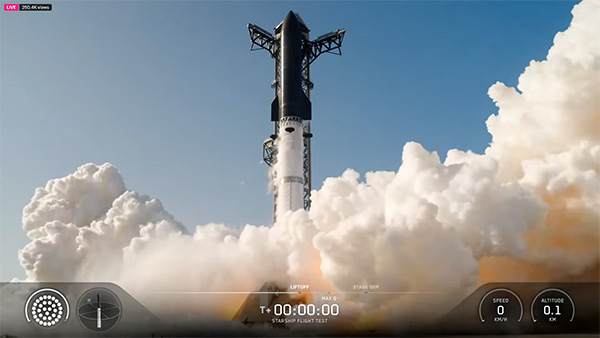
According to a report by the American magazine Politico on October 22, technology company SpaceX is retiring its most popular rockets, which could jeopardize the United States' ability to launch military satellites. The Pentagon's reliance on companies under Elon Musk's leadership makes this dilemma even more serious.
According to 《Politicians》, SpaceX is currently the dominant player in the rocket launch market and an indispensable partner for the military. Its scale far exceeds that of its competitors, accounting for 85% of US launches in 2025. However, the company is gradually phasing out the Falcon 9 rockets to make way for Starship.
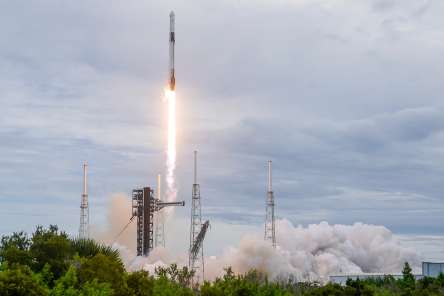
SpaceX's Falcon 9 rocket network images
SpaceX said that this new giant carrier will be more efficient and more profitable. However, many military satellites are not compatible with it.
In a October newsletter article, Politico mentioned that the "Star Ship" essentially uses a device similar to a "Pez candy dispenser" to launch satellites, ejecting them one by one through a small sliding door. However, most military payloads are not compatible with this system. The Star Ship is designed for "flatbed" satellites, such as Starlink satellites, while most military satellites require larger cargo compartments.

Candy dispenser, which can eject candies through a small sliding door - Video screenshot
SpaceX's plans have put the US Space Force in a launch bottleneck, potentially affecting its military's ability to send satellites into orbit. The Pentagon has almost no alternative options for sending their equipment into space, while SpaceX's competitors may still need several years before they can offer comparable services.
According to Reuters, during a static ignition test on May 28th, SpaceX's competitor Blue Origin’s 'New Glenn' rocket exploded. The direct cause of the explosion was an abnormality with one of the BE-4 engines' main oxygen valves. The explosion caused the launch pad to be 'almost destroyed,' and it is expected to result in at least six months of downtime.
Another competitor, United Launch Alliance (ULA), also had its "Vulcan" rocket grounded after a mission in February due to performance issues with the solid rocket boosters.
Everyone has a problem, so the US Space Force is a little nervous about launch," said a former US Space Force official. Like other officials, he was allowed to remain anonymous while discussing this sensitive issue.