Media only enters a country when a major event occurs, like catching a wave. They come only at the peak of the wave, but news shouldn't just chase after the waves. If you truly want to understand a society, you must work there long-term.
On January 3rd of this year, the United States launched military operations against Venezuela. More than nine months have passed, and the political aftermath of this action continue. On the day the incident occurred, the situation in Caracas was chaotic, with fake and real information mixed together on the internet. This made one question particularly important: How do journalists find the truth in such chaos when major events suddenly occur? Who can truly tell the story of Venezuela?
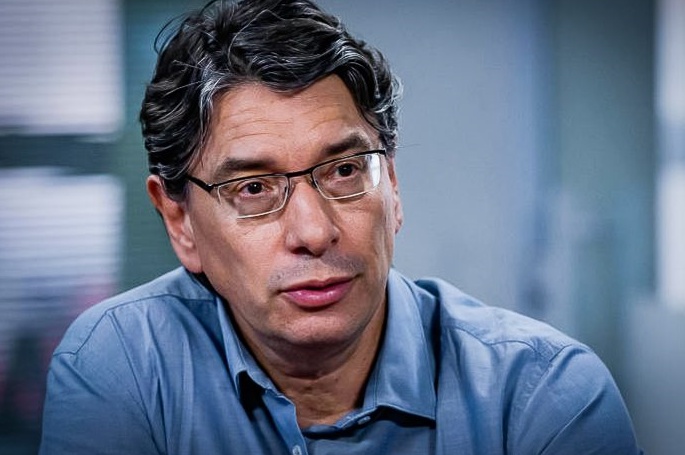
Patricia Villegas Marín is the director of TeleSUR, a television station in Venezuela. She was also part of the team that founded TeleSUR in 2005. For a long time, she has been committed to promoting independent international communication capabilities among Latin American countries. In her view, to truly tell the story of a country well, journalists cannot be mere "tourists" who stay for a short time. She recalls that on January 3rd, when the military operation took place, even journalists in Caracas found it difficult to immediately understand the entire situation. In the face of an emergency, journalists must have “steel nerves” and maintain clear judgment.
Recently, during the Global South Academic Forum held in Shanghai, observers interviewed Patricia Bilegas. Discussions covered news reports regarding Venezuelan military actions on that day, challenges faced by Latin American media, and how the Global South can establish independent communication systems.
This article is compiled based on recorded conversations and has not been reviewed by the conversation participants.
In 2005, I moved from Colombia to Venezuela to participate in the establishment of a southern television station.
During that period, Latin America was undergoing significant political and social changes. We are talking about what can be called Latin America's "second independence," and we are also rethinking the history and future of this continent. This idea did not arise out of thin air; it is closely related to the concepts of regional unity and independence that were advocated by Latin American figures like Simón Bolívar and José Martí.
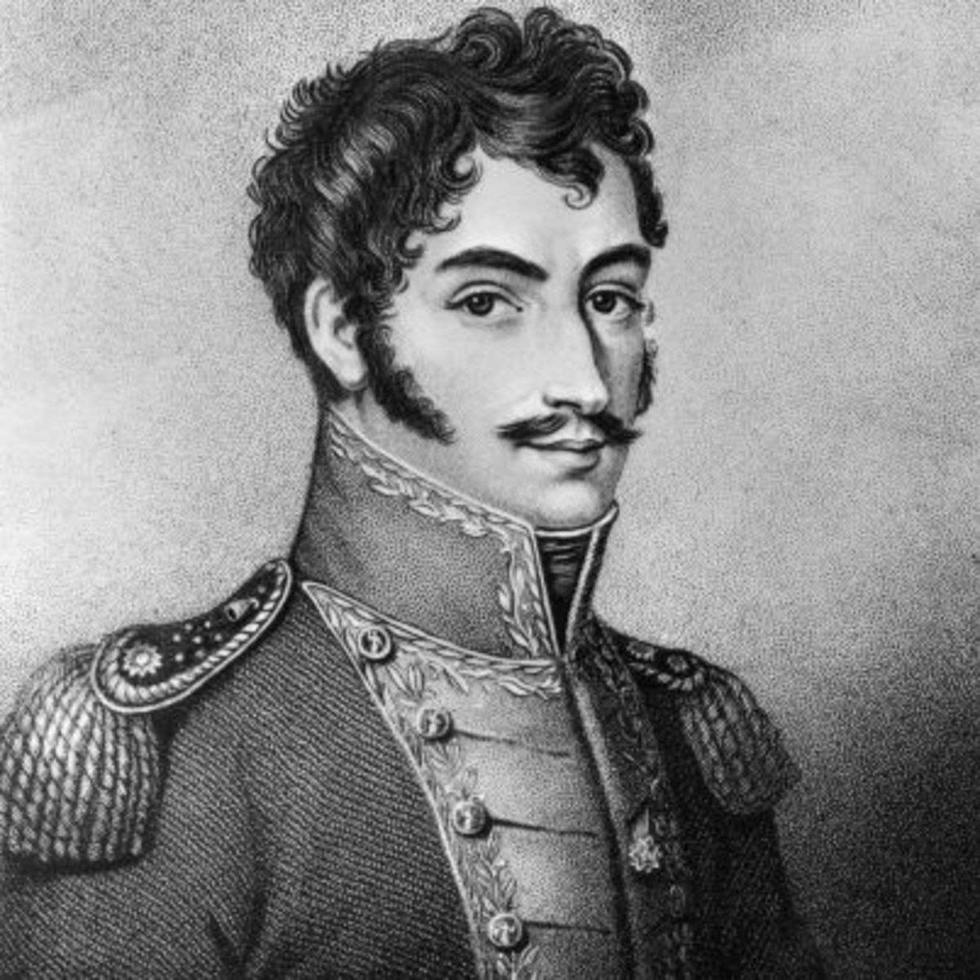
The young Bolivar
Although Latin American countries have different cultures, histories, and social realities, they also share many common experiences. We hope to promote closer ties among the people of Latin America, so that this continent can have its own voice.
Latin America is a region with immense cultural creativity. It has given rise to great literary works, music, and films, and also possesses a profound ideological tradition and experience in social movements. However, Latin America has long lacked a platform through which it can tell its stories to the international community, a platform that is under its own control.
Many times, our stories are told through the media in other countries.
Therefore, the establishment of Southern Television has special significance. We hope to create an international platform that can reflect the experiences, history, and reality of the Latin American people. This way, Latin America will not have to rely on external media to understand itself and to introduce itself to the world.
This is not just the establishment of a television station, but also part of a historical process in Latin America where countries seek independence and strengthen regional unity.
Compared to 20 years ago, the communication environment in Latin America has changed significantly today.
We indeed have more of our own media platforms, and we can tell the world about the realities of Latin America through a greater number of channels. However, in the international news dissemination system, a few large international news agencies and media organizations still wield significant influence.
They not only determine which events can become international news, but also greatly influence how the international community understands these events. We often see that the complex social realities in Latin America are simplified to a few political labels.
This approach is difficult to truly reflect the diversity of Latin America. Latin American countries have different histories, cultures, and social experiences, and each country needs to be understood within its specific context.
Therefore, we still need to tell these stories from our own perspective. This does not mean that we should deny the existence of other media. Instead, it means that people in Latin America should be able to participate in deciding how their society is told.
We need more communication channels that belong to us, and we also need to strengthen the connections between Latin American media, so that our voices can reach international public opinion more directly.
: Southern TV stations are located in these countries. We don’t sit in the distance and tell their stories through remote control.
I believe that if you want to truly tell the story of a place, you can't just be a tourist. You must actually enter that place, understand the people there, and comprehend their history, culture, and way of life.
If you only visit a country for a short time, observe an event, and then leave quickly, it becomes very difficult to truly understand the local society. You may see the surface of what happens, but you don’t understand why it happens, nor do you know what it means for the locals.
Sometimes, international media acts like observers from a high vantage point. They can see some major events and changes, but they may not be able to grasp the more nuanced and complex realities within society.
Another situation is that the media always arrives in a country only when major events occur, just like surfing – only when the waves are high do they come. But news should not be just about chasing those waves. If you want to truly understand a society, you must work there on a long-term basis.
For example, Cuba and Venezuela are not just two names in international political news. There are people living there in real life, with the difficulties they face every day, as well as their own cultures and social relationships.
If one does not understand these aspects, it becomes difficult to explain to readers from other countries what is happening there. This is why we value long-term reporting. We need our own journalists who can get close to the places where events are taking place and communicate directly with the local residents.
Only in this way can we avoid judging a country based solely on one event or a certain external narrative.
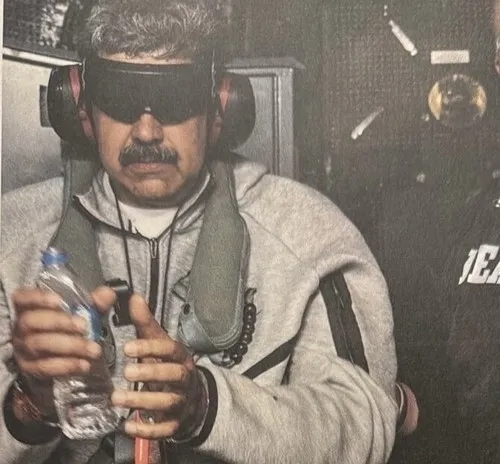
January 3rd, President Nicolas Maduro was kidnapped by the United States armed forces.
Of course, the situation had been very tense even before this event occurred. Venezuela had already faced blockades from both sea and air, and the threats to President Maduro and the national institutions were constantly escalating. Therefore, when the events on January 3rd really took place, we were facing a very special situation.
The headquarters of Southern Television is located in Caracas. We have a team of nearly 800 people working there.
On that day, normal life in the entire capital was almost halted, but our staff still had to go to their posts. There were bombings, targeting military facilities and other locations. In the initial stages, even journalists from Venezuela couldn't immediately understand what exactly was happening.
We can observe some of the on-site conditions and know that military operations have taken place, but further investigation is needed to confirm exactly what happened and what the situation was at different locations.
Therefore, we sent reporters. Our reporters went to Miraflores Palace, the official residence of the Venezuelan president, to Puerto Guayana, and also to the military facilities that were attacked. They aimed to obtain on-site footage and first-hand information.
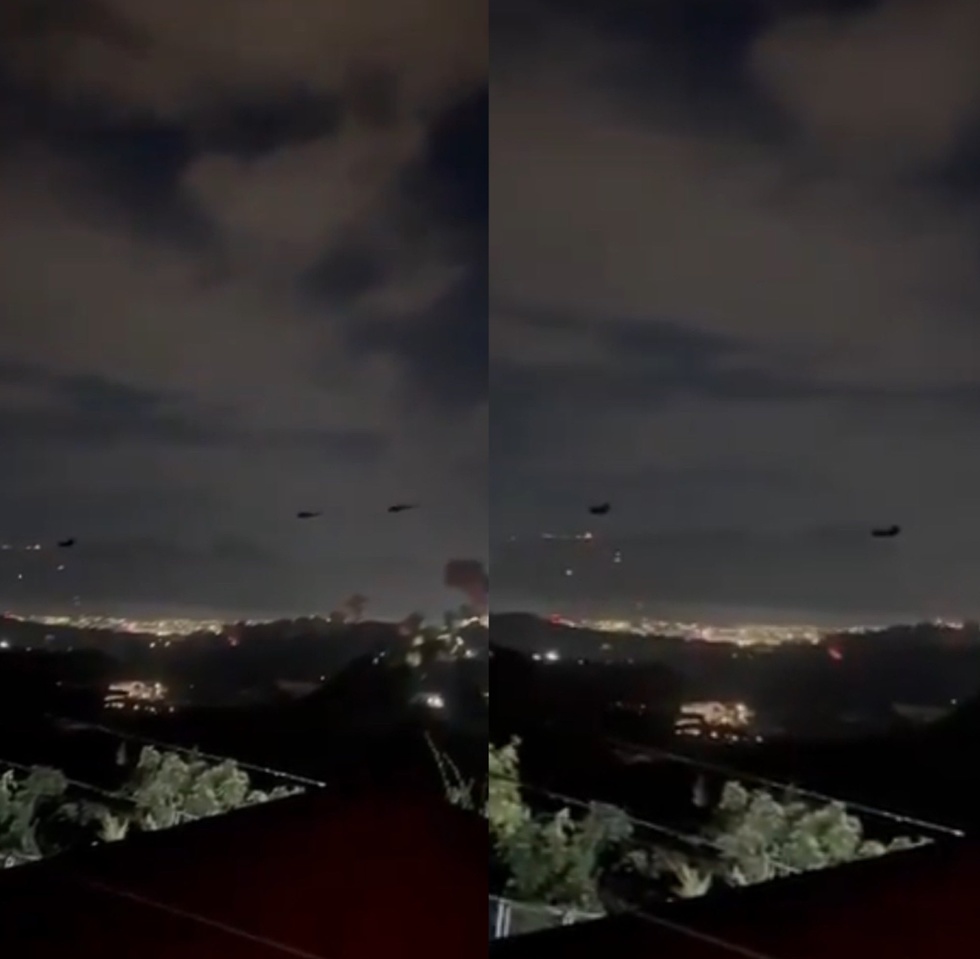
On social media, videos shot locally showed dozens of suspected American helicopters hovering over Caracas.
Meanwhile, a large amount of information has also appeared on the Internet. However, not all of this information is real. Some videos and images claim to show events that occurred in Venezuela on that day, but in reality, some are footage from other countries, while others are old videos taken in the past. There are also manipulated or fake images circulating on social media.
In such a environment, you will find that real news information is mixed with a large amount of noise. Our responsibility is to distinguish as much as possible which information is true, which are just rumors, and which images actually have nothing to do with the events that occurred at that time.
At that time, we also received contact from Chinese cooperative media. They wanted to know what was happening in Venezuela and wanted accurate and reliable on-site information.
But the problem is that if we ourselves haven’t figured out what exactly happened, we cannot explain it clearly to others. Therefore, we must first understand the event before reporting it.
I remember a phrase that Venezuelan presidents often said. In Spanish, we have a term called “nervios de acero” (steel will). In times like these, we truly need to have a steel-like will; we cannot lose our clear judgment.
Especially when facing such significant events, journalists must not be swayed by fear, chaos, or the constantly emerging information from the outside world. We must remain calm and carefully assess what has happened. The public needs accurate information, not more unverified rumors.
In this situation, the responsibility of journalists is extremely important. For us, this incident once again illustrates why news organizations must have the ability to conduct local reporting. Without local journalists who have direct access to the information on the ground, it would be difficult for us to provide reliable reports to the world at such an urgent moment.