In the Serbian parliamentary elections held on October 25 local time, the opposition 'Student List - Students Win' electoral coalition won and secured more than half of the seats in parliament. According to preliminary results announced by the Serbian Republic Electoral Committee on October 26, the 'Student List' received 52.71% of the votes, and is expected to win approximately 140 of the 250 seats in the National Assembly.
However, since its establishment, the ‘Student List’ has not nominated any candidate for the position of Prime Minister. As of now, it remains unknown who will become Serbia's next Prime Minister. Since the candidates on the ‘Student List’ include scholars, doctors, farmers, social activists, and other diverse groups, there is also doubt about who actually has the ability to lead the country.
Reuters reported on the 28th that with the election results announced, Serbia is waiting for the specific candidates for the positions of prime minister and other key ministers. Now, among the candidates on the "student list", some popular leadership figures have emerged. These economists, medical experts, sports stars, and chemists could potentially become the leaders of Serbia's new government.
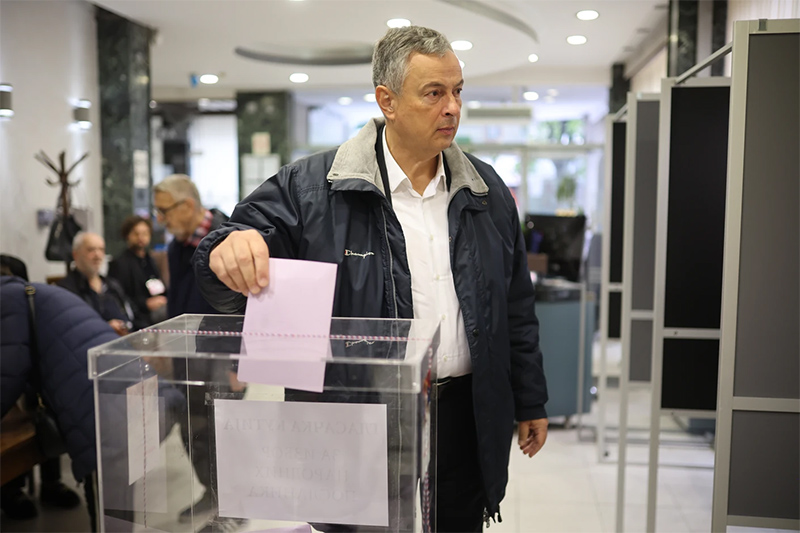
The 59-year-old Shoshkovic is a professor at the Faculty of Economics at the University of Belgrade. He served as the governor of the Serbian National Bank from 2010 to 2012. After leaving his position, he publicly criticized Serbia's former president Vucic multiple times, accusing the government led by the Serb Progressive Party of having "serious corruption problems."
Shoshkič advocates for economic reforms. He believes that prudent public fiscal policies will provide a stable foundation for the increase in people's wages and pensions.
Dejan Šoškić Serbian media
During the period when Šoksić served as the governor of the central bank, the Serbian dinar experienced a significant depreciation, which sparked controversy in public opinion in Serbia. In response, he argued after leaving office that this was the result of mandatory monetary policy adjustments at the time, and not due to his personal negligence.
But during this election period, Šoškič proposed to actively weaken the exchange rate of the Serbian dinar in order to improve export competitiveness. The Serbian dinar currently operates under a managed floating exchange rate system, which makes domestic goods cheaper when priced in foreign currencies. He also proposed another solution: maintaining a fixed and stronger exchange rate, but by reducing wages to lower costs.
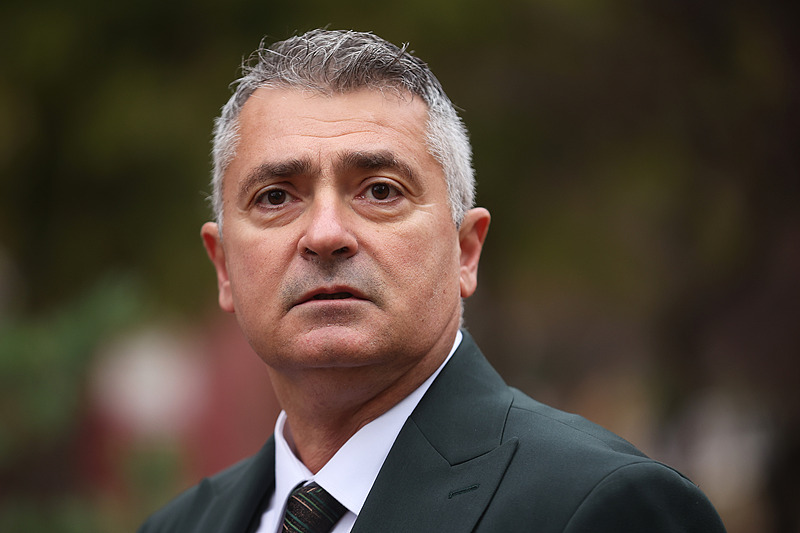
Fifty-five-year-old Srdjanović is a professor at the Faculty of Medicine, University of Novi Sad, Serbia. After his name was included on the shortlist in September, he was nominated as the representative for the "Student List" leadership election and is widely considered the most popular candidate for Prime Minister.
Srdanovic has no political experience. It was not until the nationwide protests following the collapse of the shelter at the Novi Sad railway station in 2024 that he began to make a name for himself in Serbian politics. However, during the campaign, Srdanovic rejected the invitation from Vucic to participate in a televised debate.
Ilya Srdanović Visual China
In the general election, Srđanović promised to establish a “decentralized healthcare system,” stating that this would help “to serve citizens on an equal basis for all patients.” He continued some of the policies pursued by the Vucić government, emphasizing the position of the “student list” regarding the Kosovo issue, that is, Kosovo is an inalienable part of Serbia.
The President of the European Council, Costa, posted a message on social media on the 27th, stating that he had a phone conversation with Srđanović. Srđanović previously stated that joining the EU is not a priority for Serbia at present, and the priority of the new government is to advance domestic anti-corruption reforms and to maintain the country's 'survival'.
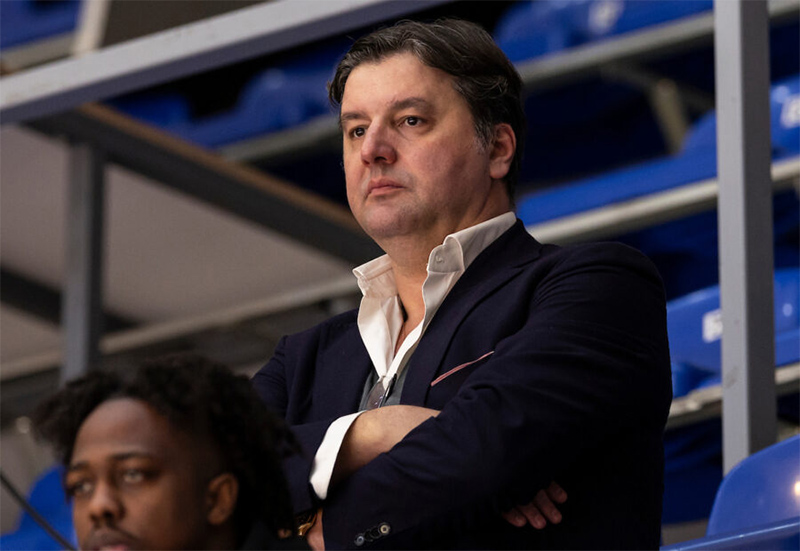
The 53-year-old Bodiroga is a basketball star who served as the captain of the Yugoslav national basketball team. Since 2022, he has been the president of the European Basketball Champions League. As an athlete, he has achieved remarkable success, leading the Yugoslav team to win the silver medal at the 1996 Atlanta Olympics, and winning the World Championships twice in 1998 and 2002.
Bodiroga also lacks experience in politics and formulating public policies. It was not until the Novi Sad train station accident in 2024 that Bodiroga publicly supported the protesters, delivering speeches at several protest gatherings. This marked his entry into Serbian politics.
Dejan Bodiroga Serbian media
On the eve of the finalization of the candidates list for the 'Student List', there were rumors that Bodiriga might become its leading candidate, causing controversy. Some critics also pointed out that Bodiriga's political activities could conflict with his role as chairman of the European Basketball Championship League.
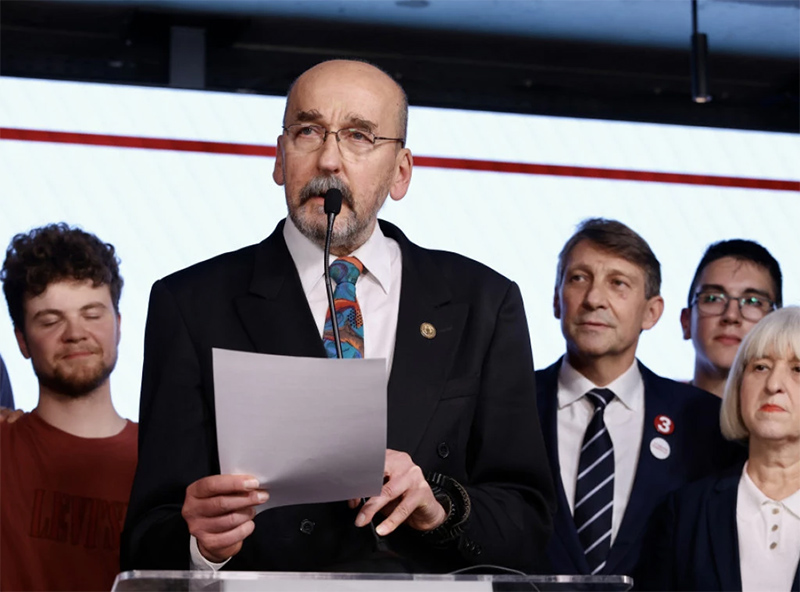
As an academician of the Serbian Academy of Sciences and Arts, 64-year-old chemistry professor Sajčić is also considered one of the main candidates for the "student list". Vukčić admitted that after the defeat of the Serbian Progressive Party, Sajčić spoke at the campaign headquarters for the "student list", stating that the election result was a "victory for the citizens".
Ladomir Sajcić Serbian Media
Sajić is a pharmaceutical chemist whose research focuses on the synthesis of chemotherapy drugs and antiviral medications. Like most candidates, he also has no political experience. He joined the protesters after the Novi Sad train station accident in 2024.
However, in terms of foreign policy, Saicic’s proposals are basically consistent with those of the Vucic government. He referred to the Kosovo region as “temporarily occupied territory” and supported Serbia in maintaining energy connections with Russia.
Sajcić may not be a popular candidate for the presidency, but he could challenge the presidency. Many Serbian media and political analysts believe that he has a chance to run in the presidential elections.
