On November 6th local time, over 100 protesters broke into the construction site of a AI data center operated by Microsoft in Amsterdam, Netherlands. They marched hand in hand, then entered the construction area, climbed onto cranes, hung balloons, and danced. The police remained on standby at the scene.
One of the protesters, Sam van der Bek, said that data centers are consuming a large amount of resources, making the world less and less suitable for living. “That’s why we’re here today.”
This protest is not an isolated event. According to the organization “Stop Dirty Data Centres,” environmental groups and digital rights activists are working together to call for a suspension of large-scale data center construction. On November 6th and 7th, activities will take place in 16 countries around the world, including a demonstration in Dublin, protests outside the Warsaw Parliament building, and demonstrations against Microsoft’s data center in Denmark.
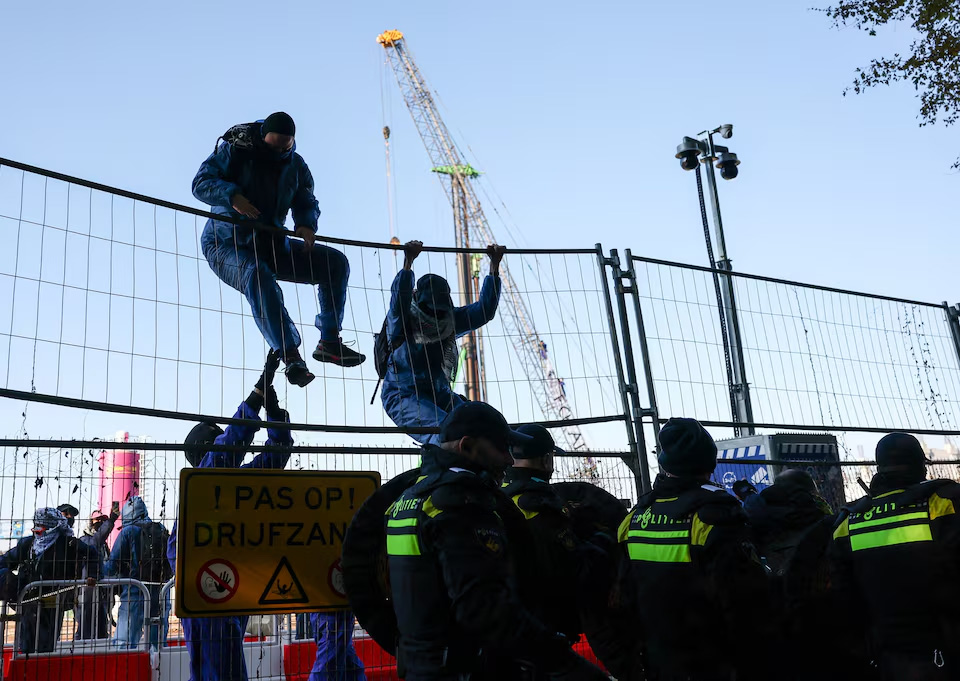
On November 6, 2026, in Amsterdam, Netherlands, protesters climbed over fences to oppose the construction of Microsoft’s data center. Their reasons included concerns about the environment and opposition from local residents. Reuters
According to reports, the dissatisfaction among these protesters mainly relates to the resource consumption by data centers. They believe that such facilities are putting pressure on the supply of electricity and water resources. Additionally, they argue that these facilities compete with housing and other businesses for scarce resources, and also pose a threat to climate targets.
Moreover, they also worry about the possibility of data center development leading to job displacement, as well as the potential risk of concentration of personal safety and national security due to private capital and large tech companies' power consolidation.
Regarding these doubts, technology companies have a different view. They believe that data centers are essential infrastructure for meeting global AI and cloud computing needs, and they are also crucial facilities required for the normal operation of businesses, governments, and consumers.
The data center targeted in the Amsterdam protest is developed by “Pure Data Centres”. The company plans to invest over $1 billion, with support from Oak Capital under Brokfield Asset Management.
"Pure data center" indicates that the company is willing to communicate with local stakeholders and urges protesters to safely leave the construction site, expressing their demands through dialogue. Microsoft has stated they understand public sentiment towards the project and respect the right to peaceful expression but do not agree with any illegal activities.
"Stop dirty data centers" emphasizes that the organization is not opposed to technological progress and does not require the closure of existing data centers, but hopes that governments worldwide will first establish clearer rules before advancing large-scale data center construction.
In fact, this also puts Europe in a dilemma: on one hand, Europe hopes to promote AI development and increase productivity by expanding data center construction, in order to catch up with the United States and Asia; on the other hand, Europe wishes to maintain relatively strict regulatory standards and public protection measures.
The Executive Vice President for Technology Sovereignty of the European Commission, Hanna Verbrugh, said in an interview with Reuters on November 5 that Europe needs more data centers to support AI development, but this must be done cautiously. She specifically mentioned that the public should not face problems such as soaring energy bills, power outages, or environmental damage due to the construction of data centers.
Recently, disputes surrounding the construction of data centers have emerged in several European countries. Google's project in Finland is facing criminal investigations due to land clearance issues. Italy and Portugal are tightening regulations on the environment for data centers, while Microsoft has withdrawn from a British data center project that was delayed due to infrastructure problems. Currently, there are approximately 200 data centers in the Netherlands that are in the planning, construction, or operation phase.
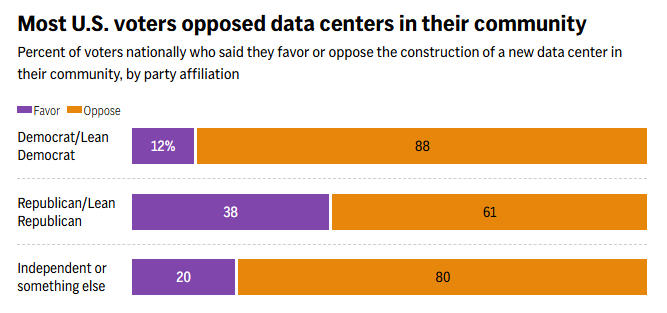
Opposition to data center construction is spreading from Spain to India and the United States. On November 5th local time, U.S. tech stocks fell significantly, as markets feared that Democrats, after securing a victory in the midterm elections and controlling the Congress, might introduce stricter regulations, thereby hindering the growth of the AI industry.