According to reports by the Australian Broadcasting Corporation (ABC) on August 13, after a batch of mung beans exported to China was returned due to excessive pesticide residues, Australian growers are looking for ways to reduce or even stop using glyphosate. China is Australia's main market for mung beans. With increased inspections by Chinese authorities, some farmers are worried that if they cannot meet these requirements, they may lose this important market.
According to reports, a total of 10 containers of Australian mung beans were rejected by China. Paul McIntosh, an agronomist from the Australian Mung Bean Association and the Australian Legume Association, said that tests revealed that the glyphosate residue in these mung beans from Queensland reached five times the limit allowed by China. He admitted that this result “disappointed the entire industry.”
Glyphosate is widely used in the cultivation of mung beans in Australia. Australian Grain Research and Development Company estimates that approximately 95% of mung beans are treated with glyphosate for dehydration drying before harvesting. However, if applied too early, there may be higher chemical residues left in the mung bean seeds.
McIntosh said that even if most of the farmers' practices comply with regulations, as long as there are still some plants in the fields that are green and absorb more glyphosate, it is possible for the final product to exceed the maximum residue limits set by the importing country.
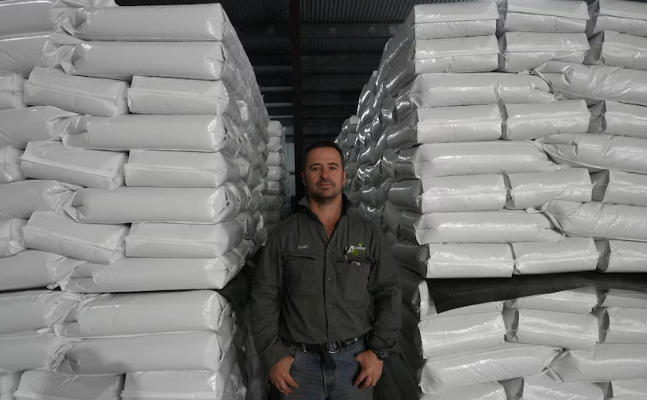
Australian grower Arrenden
This return order coincides with a bumper harvest of mung beans in Australia. It is expected that the country’s mung bean production will reach 100,000 to 120,000 tons by 2026, with almost all of it being exported, and most of it destined for China. ABC states that China’s requirements regarding maximum pesticide residues are among the strictest in the world.
The farmer and exporter Clint Arendon said, "China is our main market." He noted that relevant regulations have always existed, but recently China has become more stringent in enforcement. After learning that China is strengthening the testing of mung beans, he began researching the use of mechanical harvesting to replace glyphosate dewatering, and contacted relevant equipment contractors.
Some farmers have already started trying this method. Mechanical harvesting involves cutting the crops and laying them in rows to dry naturally, followed by harvesting. This can reduce reliance on chemical fertilizers and pesticides. However, the cost of equipment and the soil conditions vary from region to region, which pose obstacles to its widespread adoption. Some farmers believe that the premium price of the equipment is not enough to offset the costs of purchasing specialized equipment.
However, facing increasingly strict export standards, Arlond believes that changing the planting method may have to be done sooner or later. “The cost of not doing so might be higher than doing it,” he said. Once mung beans are returned due to excessive residues, the losses will ultimately fall on the farmers themselves.